

Teaching and understanding colour often comes alive when theory moves from textbooks to real objects and tools. Whether you are guiding students through art projects or helping professionals fine tune their choices, having the right colour reference can shape the learning experience. Some resources offer hands on engagement while others focus on scientific precision or flexible digital options. Each approach brings unique ways to make colour clear, practical and part of everyday creative decision making. Different learners and disciplines require their own solutions, so discovering the tool that matches your needs can open up new possibilities for lessons and studio work.
Table of Contents
Kolormondo 3D Color Theory Wheel
At a Glance
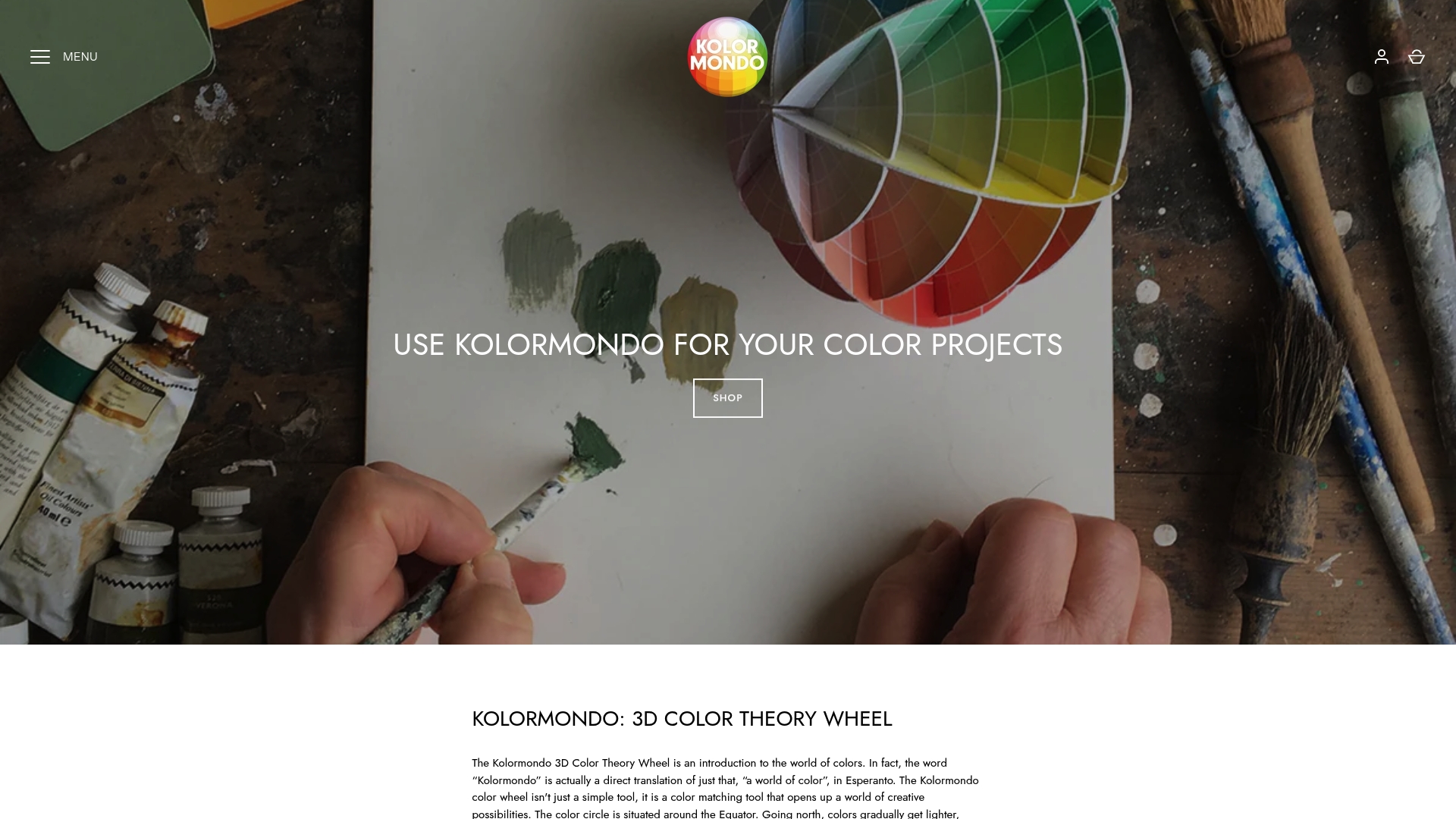
The Kolormondo 3D Colour Theory Wheel is a patented Swedish-designed teaching aid that transforms flat colour charts into a tactile, three-dimensional globe. It excels as both a classroom demonstrator and a practical studio reference, making hue, value and saturation immediately visible and physically manipulable. Premium pricing and regional availability are deliberate design choices aimed at durability and award-level design quality rather than mass-market disposability.
Core Features
Kolormondo presents a spherical, layered colour system that allows users to match, mix and discuss colours in three axes: hue, value and saturation. The object doubles as a decorative piece and a pedagogical tool, bridging theoretical concepts and hands-on practice. Made In Sweden from durable materials, it is reusable, adjustable and designed to withstand classroom handling. The Kolormondo.com site supports the product with inventor background, testimonials and video demonstrations, and offers a mini and a professional variant—one of which includes colour codes for precise application.
Pros
- Three-dimensional clarity: The globe’s 3D design gives students immediate visual and tactile sense of colour relationships, speeding comprehension in practical lessons.
- Versatile across disciplines: It is useful for art, fashion, interior design and hair colour matching, so you can reuse the same teaching object across modules.
- Durable, well made: Produced in Sweden with robust materials, the Kolormondo withstands repeated classroom use and remains accurate over time.
- Award-winning design: Recognition such as the London Design Award underlines the product’s thoughtful form and function.
- Accessible to all levels: Beginners gain an intuitive foothold in colour theory while professionals appreciate the precision and physical reference.
Who It’s For
Kolormondo is tailored for Artists, Designers, Students and Educators who teach or study colour theory in college programmes, design studios or workshops. If you lead a Colour Theory module or run practical sessions in Interior Design or Fashion, this globe becomes a central teaching prop that invites students to touch, compare and debate colour choices. It also suits hobbyists who prefer tactile learning over digital-only references.
Unique Value Proposition
Kolormondo’s unique value is its translation of abstract colour concepts into an immediately graspable, three-dimensional object. Where flat charts force mental extrapolation, the Kolormondo globe reveals relationships through spatial proximity and layered value rings. This reduces explanation time in a lecture and improves retention: students can physically rotate the globe to compare hues, inspect saturation gradients and align values in seconds. The professional edition’s colour codes bridge studio practice with classroom learning, enabling accurate replication in design briefs and client consultations. In short: Kolormondo is not merely decorative—it’s a pedagogical instrument that shortens the gap between theory and application and elevates classroom demonstration to studio-standard reference.
Real World Use Case
In an Art classroom, an instructor demonstrates complementary schemes by rotating the globe and asking students to select swatches; within minutes, class discussion shifts from abstract vocabulary to concrete comparisons. In Interior Design, teams use the professional variant to match paint swatches to upholstery samples, reducing back-and-forth and improving client presentations.
Pricing
Kolormondo mini $21.00, Kolormondo pro $111.00. These price points reflect a choice between an accessible teaching prop and a studio-grade, code-labelled instrument.
Website: https://kolormondo.com
NCS Colour
At a Glance
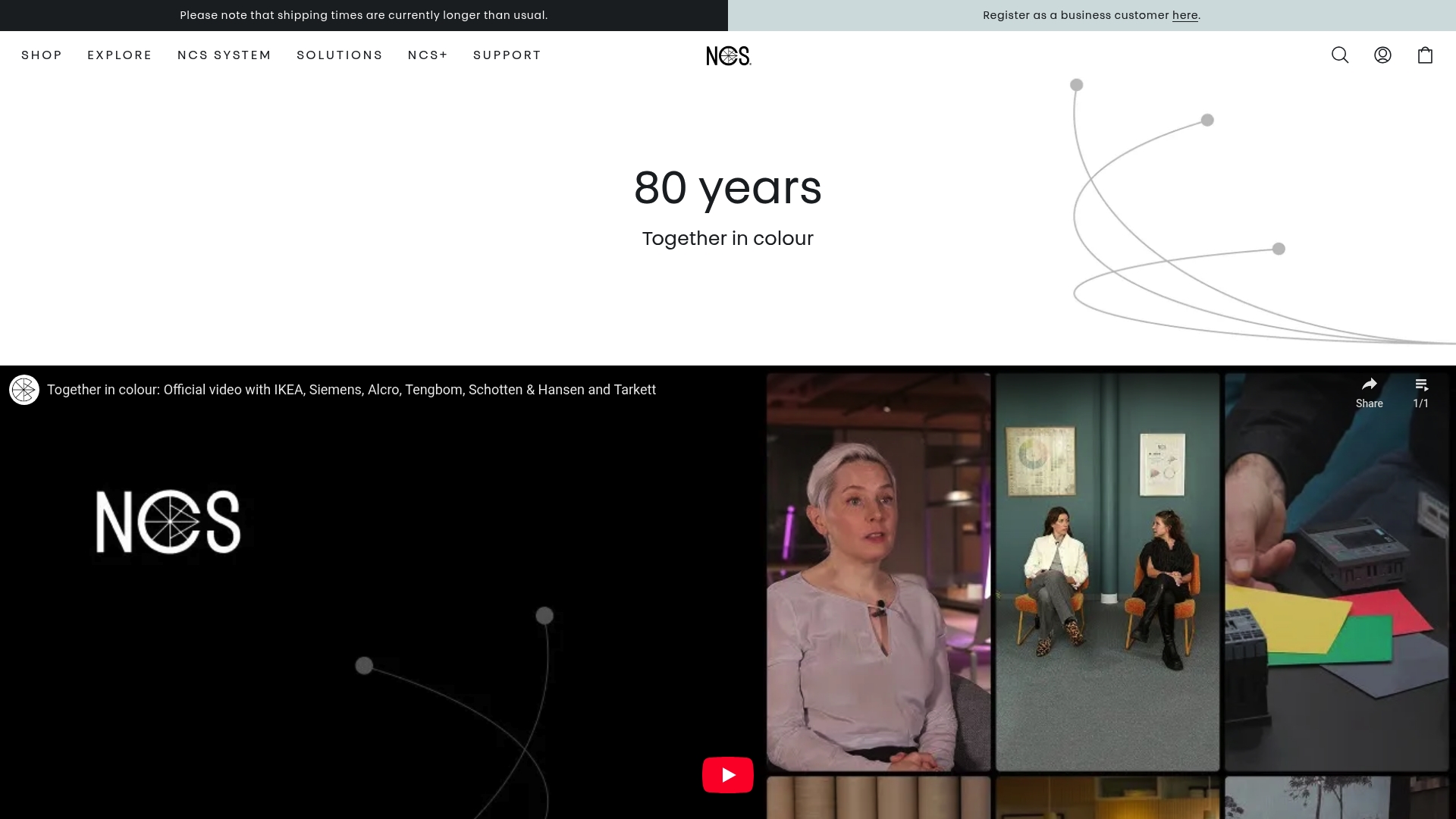
NCS Colour delivers a disciplined, science-based approach to colour communication that combines digital and physical tools. With around 80 years of heritage, the system is built for professionals who need repeatable, industry-standard colour results rather than casual experimentation. For art and design educators in North America, NCS is best when you want students to learn rigorous colour notation, material matching and cross-discipline communication — but expect a learning curve and variable shipping lead times for physical samples.
Core Features
NCS provides an ecosystem of capabilities centred on standardised colour codes, physical colour samples and displays, and an integrated digital platform (NCS+) for colour and material integration. The offering includes both digital and physical design solutions, comprehensive educational resources and training, plus industry-focused standards and forecasting. Everything is framed as a universal language for colour, intended to make specification and reproduction precise across manufacturing, architecture and design workflows.
Pros
- Long-established authority: The brand’s roughly 80 years of experience lends credibility and deep industry buy-in, which helps when teaching students accepted professional practices.
- Scientifically precise colour codes: The standardised codes make cross-material matching and specification repeatable, reducing ambiguity between studio and factory.
- Comprehensive product range: The mix of digital platforms, tangible samples and training resources supports both classroom demonstrations and real-world project work.
- Global recognition: Widespread acceptance in manufacturing, coatings and design means students learn a system they are likely to encounter in professional contexts.
- Trend analysis and forecasting: The inclusion of forecasting helps bridge colour theory with contemporary practice, useful for project briefs and trend-led assignments.
Cons
- Limited pricing transparency: Specific costs are not listed publicly and must be requested, which complicates budgeting for course modules and classroom kits.
- Potential complexity for beginners: The system’s rigour can overwhelm students new to coded colour systems, requiring dedicated instruction time.
- Longer shipping times: Physical samples may take longer to arrive, which can disrupt tight project schedules or impromptu classroom activities.
Who It’s For
NCS Colour is ideal for educators and departments that teach colour science, materials and professional specification — especially in design, architecture and applied arts programmes. If you require your students to produce industry-ready documentation, to standardise colour across different substrates, or to learn a widely accepted specification language, NCS is a strong fit.
Unique Value Proposition
NCS’s unique value lies in packaging a scientific, universal colour language with both digital integration (NCS+) and tactile samples. That marriage of onscreen tools and physical swatches supports pedagogies that privilege both theoretical understanding and hands-on material investigation.
Real World Use Case
A manufacturer uses NCS colour codes to ensure consistent colour matching across different materials and production batches, thereby maintaining quality and brand integrity. For educators, this maps directly to lab exercises where students must specify, source and verify colour across multiple substrates.
Pricing
Pricing varies by product and is available upon request or purchase through their platform; educators should contact NCS directly for quotes on sample libraries and institutional licences.
Website: https://ncscolour.com
Gamcolor
At a Glance
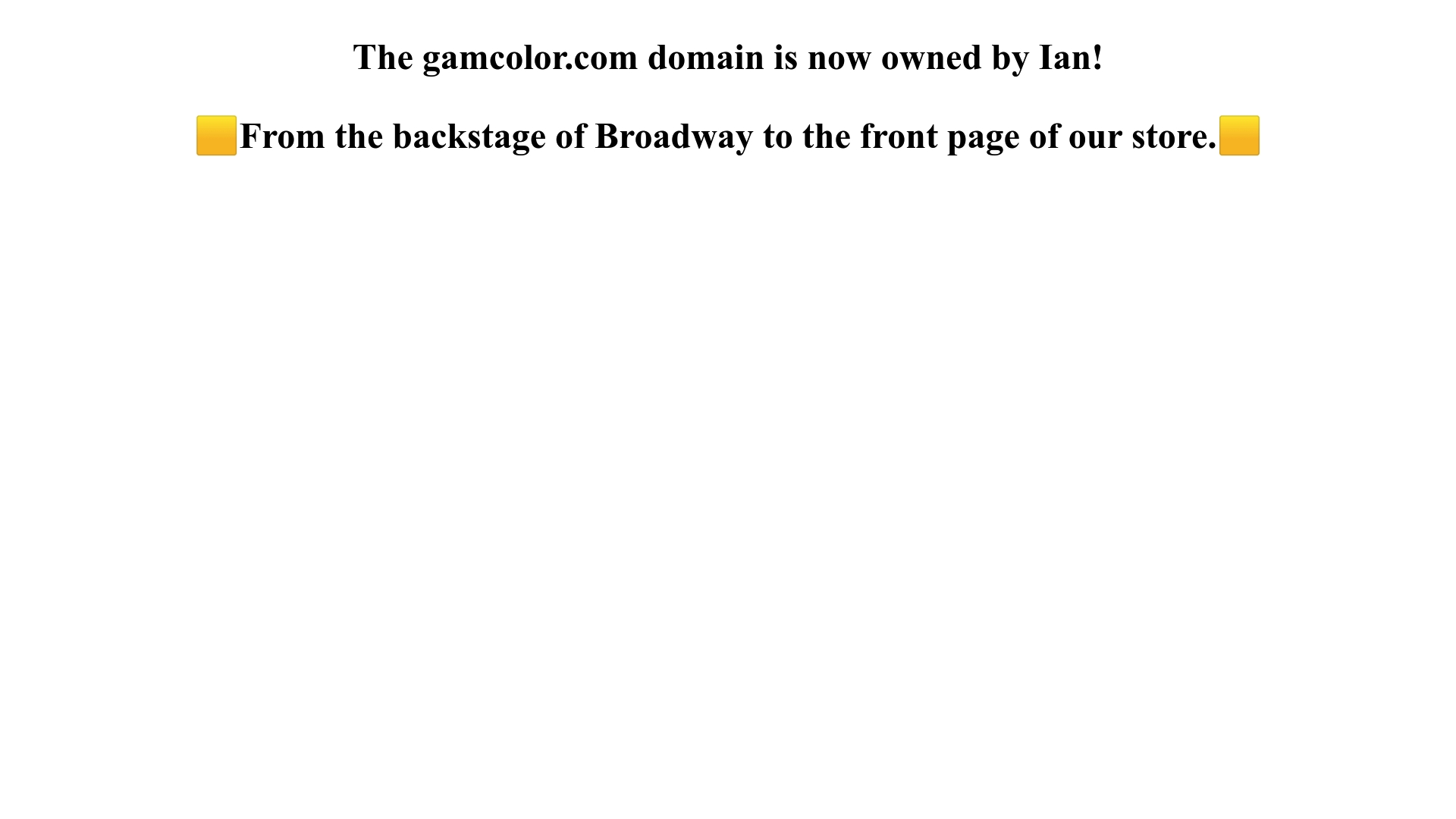
Gamcolor is currently a domain asset under new ownership by Ian rather than an active colour visualisation product. The available information indicates potential rather than a finished tool: think of an empty studio with good light and fresh plaster. For art and design educators in North America, Gamcolor is worth watching as a possible future platform for teaching colour theory, but it is not yet ready to be adopted as a classroom resource.
Core Features
At present the domain’s documented attributes are administrative and strategic: a change of ownership, a stated re-focus, and the possibility of future projects or products. There are no concrete software features, interfaces, or pedagogical resources described. What you do have is a clear opportunity to steer development—whether that means hosting an interactive 3D colour wheel, an online student portfolio, or a modular teaching site that complements hands-on tools in the studio.
Pros
- Renewed attention on the domain: The change in ownership brings fresh focus, which can attract collaborators and designers interested in building educational colour tools.
- Signals potential for new development: The current status suggests room to create custom features tailored to academic curricula.
- Opportunity for rebranding or repositioning: The domain can be shaped to match a department’s pedagogical priorities or a course series.
- Useful as an asset for strategic growth: Institutions or small teams could acquire or partner on the project to expand their digital offerings.
- Encourages innovation: The blank-slate nature permits experimental approaches to visualising colour relationships and assessment.
Cons
- No detailed product information available: There are no descriptions of functionality, making immediate adoption impossible.
- Uncertain roadmap and timelines: Without stated plans, you cannot rely on imminent feature releases for term planning.
- Potential for long dormancy: The domain might remain inactive for extended periods while plans are formed.
- Risk of unclear direction during transition: Initial phases of ownership change often lack cohesive strategy.
- No defined benefits for educators yet: There are no ready-made tools, tutorials, or integration options to support teaching.
Who It’s For
Gamcolor is most relevant to developers, entrepreneurs, and institutional decision-makers exploring domain investments or bespoke digital projects. For art and design educators, Gamcolor may appeal to those who want to commission or co-create an online colour resource—especially instructors looking to pair tactile teaching aids with bespoke web experiences for students.
Unique Value Proposition
The unique value lies in possibility: Gamcolor is a blank canvas with a recognisable name that could be configured into a specialised educational platform. That freedom lets you determine the pedagogy, interactivity, and accessibility from day one rather than adapting to an existing framework.
Real World Use Case
A Visual Communication lecturer could repurpose Gamcolor to host an interactive module where students upload palette experiments, compare complementary schemes, and receive instructor feedback—effectively turning the domain into a semester-long learning hub and portfolio showcase.
Pricing
Not specified.
Website: https://gamcolor.com
The Color Wheel Company
At a Glance
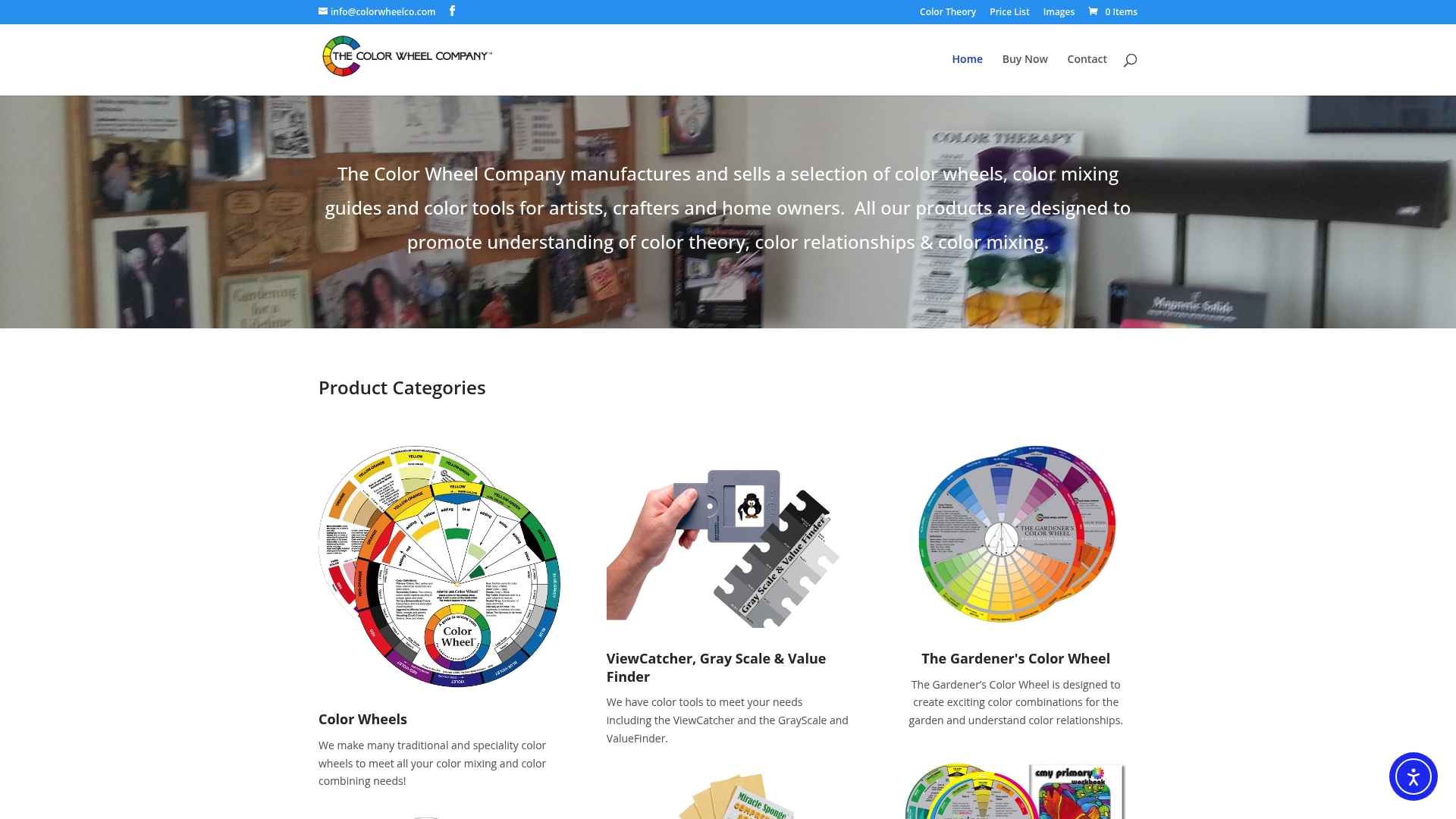
The Color Wheel Company produces a focused range of physical colour tools—traditional and speciality colour wheels, teaching wheels, CMY wheels with workbook, and pragmatic aids such as viewcatchers and valuefinders. Its products are clearly designed to deepen practical understanding of colour theory across skill levels, from school classrooms to professional studios. For North American art and design educators seeking tactile teaching aids and gardening applications, this is a dependable, hands-on resource. It is strongest as a physical, analogue teaching kit; less so for purely digital curricula.
Core Features
The product line emphasises tangible learning: traditional and speciality colour wheels tailorled to a variety of needs; teaching wheels that map concepts for learners of any age; CMY wheels and a workbook to explain pigment mixing; and utility tools such as a viewcatcher, grayscale and valuefinder to refine perception. The range extends into art supplies—miracle sponges in three sizes—and a Gardener’s colour wheel explicitly aimed at landscape and planting schemes. All items are manufactured in the USA and presented as teaching aids rather than software or apps.
Short. Practical. Tactile.
Pros
- Wide product breadth suiting multiple learners: The range covers beginners to professionals, which makes it simple to scaffold colour lessons across a semester.
- Strong pedagogical focus: Teaching wheels and the workbook are explicitly geared to promote understanding of colour relationships, a direct benefit for structured curricula.
- Made in the USA: Local manufacture can mean easier quality control and consistent availability for North American institutions.
- Versatile, cross-discipline use: Tools for artists, crafters and gardeners allow you to demonstrate colour theory in varied, real-world contexts.
- Useful physical aids for perception training: Viewcatcher, grayscale and valuefinder offer fast, hands-on exercises that sharpen students’ visual acuity.
Cons
- Pricing and availability unclear: The website excerpt does not specify prices or stock levels, which complicates budgeting for department purchases.
- Physical focus may exclude digital workflows: The product suite is largely analogue and might not meet the needs of educators who teach exclusively with digital tools and software.
- Online purchasing details absent: There is no clear information about e-commerce or institutional ordering in the provided content, which could slow procurement.
Who It’s For
This offering is ideal for Art and Design teachers, college lecturers, and studio instructors who prioritise tactile, demonstrable exercises in colour theory. It also suits gardening instructors and community arts educators who wish to connect colour principles to practical projects. If your programme relies heavily on tablets and colour-management software, plan to supplement these tools.
Unique Value Proposition
The Colour Wheel Company presents a compact, analogue-first toolkit that translates theoretical colour concepts into objects students can handle, compare and test. Its speciality wheels and gardener-focused resources make colour relationships immediately applicable beyond the studio—into gardens, craft projects and classroom demonstrations.
Real World Use Case
A garden design module uses the Gardener’s colour wheel during a field workshop: students select planting schemes on paper, then test harmony and contrast with the wheel, refining palettes before creating planting plans that consider seasonal shifts.
Pricing
Not specified in the website content; you will need to contact the company or visit the site for current pricing and institutional purchasing options.
Website: https://colorwheelco.com
Tools for Understanding Color Theory Comparison
Below is a table that compares various products designed for teaching and learning about color theory, based on features, usability, target users, and pricing.
| Product Name | Features | Pros | Cons | Pricing |
|---|---|---|---|---|
| Kolormondo | Three-dimensional color wheel, Swedish-made, durable materials | Immediate visual and tactile color comprehension, versatile use | Premium pricing, limited regional availability | Mini: $21.00; Pro: $111.00 |
| NCS Colour | Standardized color—digital and physical tools | Precise color communication, industry recognition | Pricing transparency limited, potential complexity for beginners | Price varies by request |
| Gamcolor | Future planned development for interactive tools | Clear potential for future tailored resources | No detailed product details during the transition phase | Not provided |
| Color Wheel Company | Physical color tools (traditional and specialized) | Practical focus, made in the USA | Pricing unspecified, primarily physical tools | Contact for pricing |
Discover a Hands-On Solution to Colour Theory Challenges
Understanding complex colour relationships such as hue, value and saturation can be challenging when relying solely on flat, two-dimensional charts. Many art and design educators face the difficulty of making colour theory tangible and accessible, while students often struggle to visualise these concepts intuitively. The article highlights the need for engaging, practical tools that not only demonstrate colour schemes but also encourage active exploration and deeper comprehension in real time.
Kolormondo offers an innovative answer with its patented 3D colour globe, designed specifically to transform abstract colour theory into a tactile, visual experience. Ideal for classrooms and studios alike, the Kolormondo globe enables users to physically rotate and compare colour relationships quickly and accurately. To support educators further, there are detailed Educational material and lesson plans - Kolormondo available. Whether you select the mini or professional globe, each product brings colour learning to life with award-winning design and durability.
Take control of your colour teaching tools now and explore the full range of Color Globe and color sphere - Kolormondo.
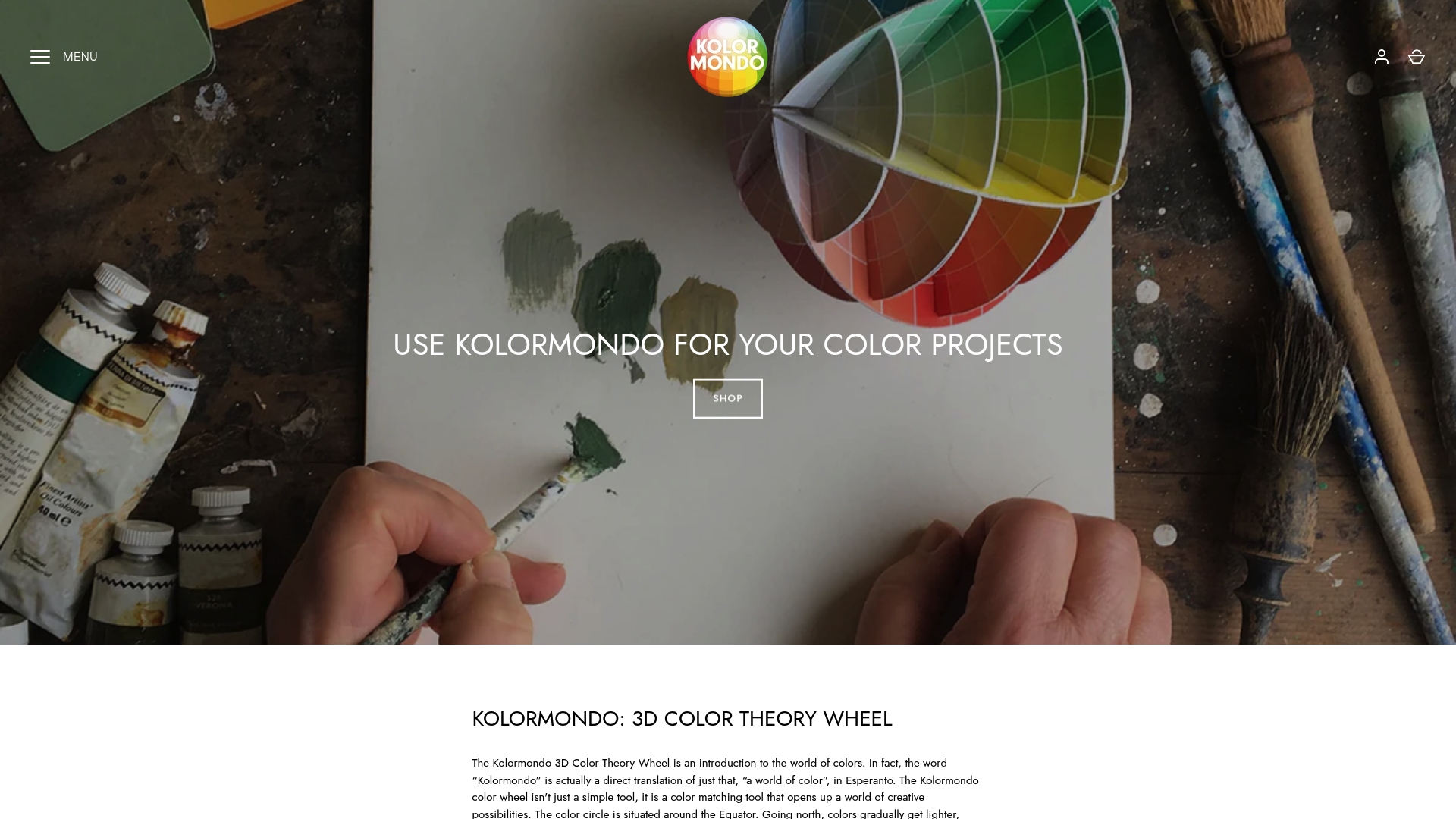
Elevate your curriculum and empower students to grasp colour theory effortlessly by visiting https://kolormondo.com. Don’t wait to transform your educational experience with a tool that bridges theory and practice instantly.
Frequently Asked Questions
What are the main features to look for in colour visualisation tools?
When choosing a colour visualisation tool, prioritise features such as accurate colour representation, versatility across disciplines, and durability for classroom use. Assess how each tool handles hue, saturation, and value to ensure it meets your specific educational needs.
How can colour visualisation tools enhance my teaching of colour theory?
Colour visualisation tools can provide tangible, hands-on experiences that make abstract concepts more accessible to students. Use these tools to facilitate interactive lessons, where students can physically manipulate colour attributes to deepen their understanding of colour relationships.
Are there different colour visualisation tools suitable for various professional fields?
Yes, certain colour visualisation tools are designed with specific industries in mind, such as interior design, fashion, or fine arts. Identify your field’s requirements and select tools that cater to the particular needs of that discipline.
How can I incorporate these tools into my existing curriculum?
Incorporate colour visualisation tools by integrating them into lesson plans that focus on practical exercises, group discussions, and visual projects. For instance, you could assign group work where students use the tools to create and present their own colour palettes.
What are the benefits of using both digital and physical colour visualisation tools?
Using both digital and physical colour visualisation tools allows for a comprehensive understanding of colour theory. Physical tools encourage tactile learning, while digital tools can offer advanced capabilities for simulations and designs, enhancing overall engagement and comprehension.
Recommended
Find similar articles
color visualization tools
