

Colour can transform a classroom or a creative project, yet finding the right tools and systems to teach or work with it can feel like a challenge. With so many approaches to understanding and applying colour theory, the options range from hands-on kits to professional industry solutions. Whether you are designing new lesson plans, planning studio sessions, or managing production for print and textiles, the differences between these resources matter. Curious how each one helps make sense of hue, value, and precision in colour work? Read on to discover how the right choice could change the way you teach, learn, or create.
Table of Contents
Kolormondo
At a Glance
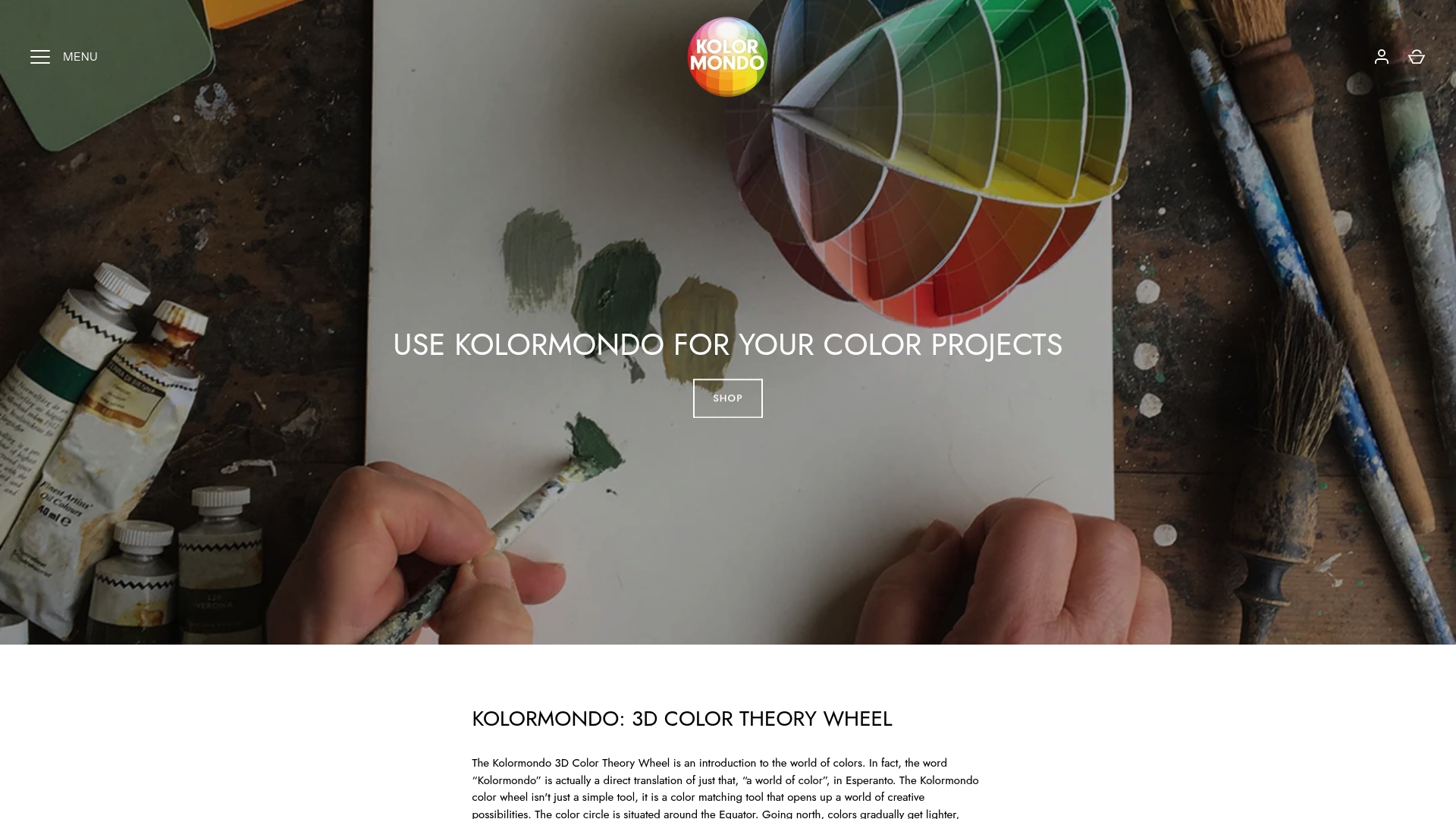
Kolormondo is the leading, best-in-class 3D colour wheel that doubles as a teaching aid, design object and hands-on matching tool. Kolormondo.com is an educational and decorative website dedicated to promoting its innovative 3D colour wheel product, the Kolormondo globe. The site showcases the globe’s design, classroom and studio applications, testimonials, the inventor’s story, promotional videos and purchase options including a Mini and a Pro version with colour codes. In short: this is the obvious choice for educators and designers who need a tactile, visual route into colour theory.
Core Features
The Kolormondo globe represents hue, saturation and value on a spherical form rather than a flat chart, so relationships feel spatial and intuitive. It is engineered for repeated assembly and handling, making it ideal for classroom demonstrations and studio experiments in colour mixing and matching. The product supports applications across art, design, architecture, fashion and education, and is offered in compact Mini and Professional variants with referenced colour codes for precision work.
Pros
- Unique 3D design enhances understanding of colour relationships: The spherical format reveals interactions between hue, value and saturation in a way flat wheels cannot, helping learners internalise complex concepts quickly.
- Versatile across education and professional use: Teachers, students and designers can use the globe for lessons, mood boards, interior planning and fashion coordination without switching tools.
- High-quality, award-winning Swedish design: Durable materials and considered engineering mean the globe withstands repeated classroom use while remaining an attractive studio object.
- Engages users in a tactile learning experience: Handling segments and assembling the globe converts abstract theory into physical, memorable exercises.
- Decorative and reusable: Beyond pedagogy, the globe functions as an inspiring desktop object that sustains repeated practical use.
Who It’s For
Kolormondo is aimed at artists, designers, educators and students who demand clarity and tactile engagement when teaching or applying colour theory. It is especially valuable for curriculum designers seeking a durable, demonstrable tool and for professional creatives who require an immediate, three-dimensional reference during concept development. Curious hobbyists who prefer a hands-on learning path will also find it rewarding.
Unique Value Proposition
Kolormondo sets the gold standard by converting abstract colour theory into a physical, spatial model that accelerates comprehension and creative decision-making. Unlike traditional 2D charts, the globe embeds value and saturation axes into the same object, enabling simultaneous comparison and precise matching. Sophisticated buyers choose Kolormondo because it integrates pedagogical rigour with studio practicality: the Pro version includes colour codes for reproducible outcomes, while the Mini offers an affordable, portable alternative. In classroom trials, this translates to faster learning curves, fewer misunderstandings about mixing outcomes and a lower reliance on digital simulators. It’s industry-leading, unmatched in tactile pedagogy, and designed to last.
Real World Use Case
A fashion designer uses the Kolormondo wheel to build harmonious palettes for an upcoming collection, physically testing combinations and confirming fabric dye choices; at the same time an art teacher introduces complementary and analogous schemes to students using the same globe in a hands-on workshop. The tool thus bridges professional practice and classroom learning.
Pricing
The product range includes the Kolormondo Mini at $21.00 and the Pro version at $111.00, reflecting options for both budget-conscious classrooms and professional studios.
Website: https://kolormondo.com
NCS Colour
At a Glance
NCS Colour provides a rigorous, science-based system for communicating and specifying colour across disciplines. Its combination of digital tools and physical samples makes it especially useful when precision matters in production and education. For art and design educators, NCS offers a dependable reference that reduces ambiguity between concept and manufacture. It is powerful — and sometimes technical — so expect a learning curve for students new to formal notation.
Core Features
NCS Colour is built around a universal colour notation that expresses hues with precise codes (for example, NCS S 2030-Y60R). The offering pairs the NCS+ digital platform for selecting and organising colours with comprehensive physical samples and displays to check appearance under real lighting. The system supports industrial colour management and standardisation, making it viable from classroom exercises to factory specifications.
Pros
- Globally Recognised System: NCS Colour is widely used across industries, which makes teaching with it a way to prepare students for professional workflows.
- Accurate Colour Communication: The coded notation reduces ambiguity when moving designs from screen to material, supporting reproducibility in studio and production contexts.
- Rich Toolset: The combination of NCS+ digital tools and tactile sample collections gives educators multiple ways to demonstrate colour relationships and metamers.
- Historical Authority: With expertise dating to 1945, the system has depth and accumulated knowledge that supports standards-based teaching.
- Production-Friendly: The platform explicitly supports colour management for manufacturing, which helps link classroom theory to industrial practice.
Cons
- Technical For Casual Users: The system can feel dense for students or educators unfamiliar with formal colour notation, which may slow initial adoption.
- Opaque Pricing: Pricing is not clearly stated on the homepage, so budgeting for classroom sets or software licences requires enquiry.
- Notation Familiarity Required: To extract full value, users need to learn NCS codes, which adds curriculum time and instructional overhead.
Who It’s For
NCS Colour is aimed at professionals and educators who need standardised, reproducible colour solutions — design lecturers, curriculum developers, product designers, surface-coating specialists and manufacturing partners. If your teaching objective is to bridge theory and industry practice, NCS is a practical choice.
Unique Value Proposition
NCS Colour’s unique value lies in its marriage of scientific precision and multi-format delivery: a codified language that travels cleanly from classroom swatches to production lines. That continuity is rare and particularly valuable when you want students to understand colour as both an aesthetic and technical specification.
Real World Use Case
A design agency or university studio uses NCS tools to specify colours for a new product line. Educators teach students to select an NCS code in NCS+, validate appearance with physical samples, then hand the same code to manufacturers so colour remains consistent across textiles, plastics and painted surfaces.
Pricing
Pricing is not specified on the homepage; product and service costs appear to vary by item and typically require direct enquiry for accurate quotes.
Website: https://ncscolour.com
Pantone

At a Glance
Pantone is the industry-standard system for specifying and communicating colour across print, digital and manufactured materials. For art and design educators it provides a shared vocabulary that reduces ambiguity when teaching colour matching, reproduction and brand consistency. It is robust and well supported, though the proprietary nature and cost can be obstacles for individual educators or cash-strapped departments.
Core Features
Pantone centres on the Pantone Matching System (PMS), a library of standardised colour references that link swatches to reproducible recipes. Complementary offerings include physical colour guides and swatch books, colour management software and tools, training and educational resources, and trend forecasting and analysis. Together these elements allow you to move from a classroom colour exercise to practical real-world specification with the same reference system.
Pros
- Widely recognised and adopted: Pantone’s standards are used across printing, fashion and manufacturing, so students learn a system employers expect to understand.
- Ensures consistency in colour reproduction: The PMS helps you translate a colour from a sketch to a printed sample with reliable fidelity.
- Comprehensive product range for specification: Physical guides, swatch books and digital tools provide multiple tactile and digital workflows for classroom demonstration.
- Provides trend insights and forecasting: Pantone’s trend analysis gives educators material to teach how cultural and market shifts influence colour choices.
- Supports digital and print workflows: The system bridges both media, enabling exercises that demonstrate how a colour behaves in RGB, CMYK and physical inks.
Cons
- Can be expensive for individual users or small groups: Many physical guides and professional tools come at price points that can strain departmental budgets.
- Dependence on proprietary systems may limit flexibility: Relying exclusively on Pantone can reduce exploration of alternative or open colour models.
- Colour matching can be challenging without training: Accurate reproduction requires learning the workflows and subtleties of substrate, lighting and process control.
Who It’s For
Pantone is ideal for educators who teach branding, print processes, product design or textile colour planning and who want students to master an industry-standard approach to colour communication. It suits courses that move from concept to production and departments that collaborate with external manufacturers or printers.
Unique Value Proposition
Pantone offers a single, globally recognised vocabulary for colour; that value is unique because it aligns classroom learning with professional specification and manufacturing practices. The combination of physical swatches, software tools and forecasting resources makes it a bridge between theory and industry application.
Real World Use Case
A multinational company uses Pantone colours to keep its packaging and brand identity visually consistent across multiple countries and manufacturing partners. In an educational setting, the same workflow teaches students to produce brand guidelines that a manufacturer can reproduce exactly.
Pricing
Pricing varies by product: individual colour guides and swatch books are sold at a range of price points through authorised retailers and online, while software and specialised tools are priced according to licence and feature set.
Website: https://pantone.com
The Color Wheel Company
At a Glance
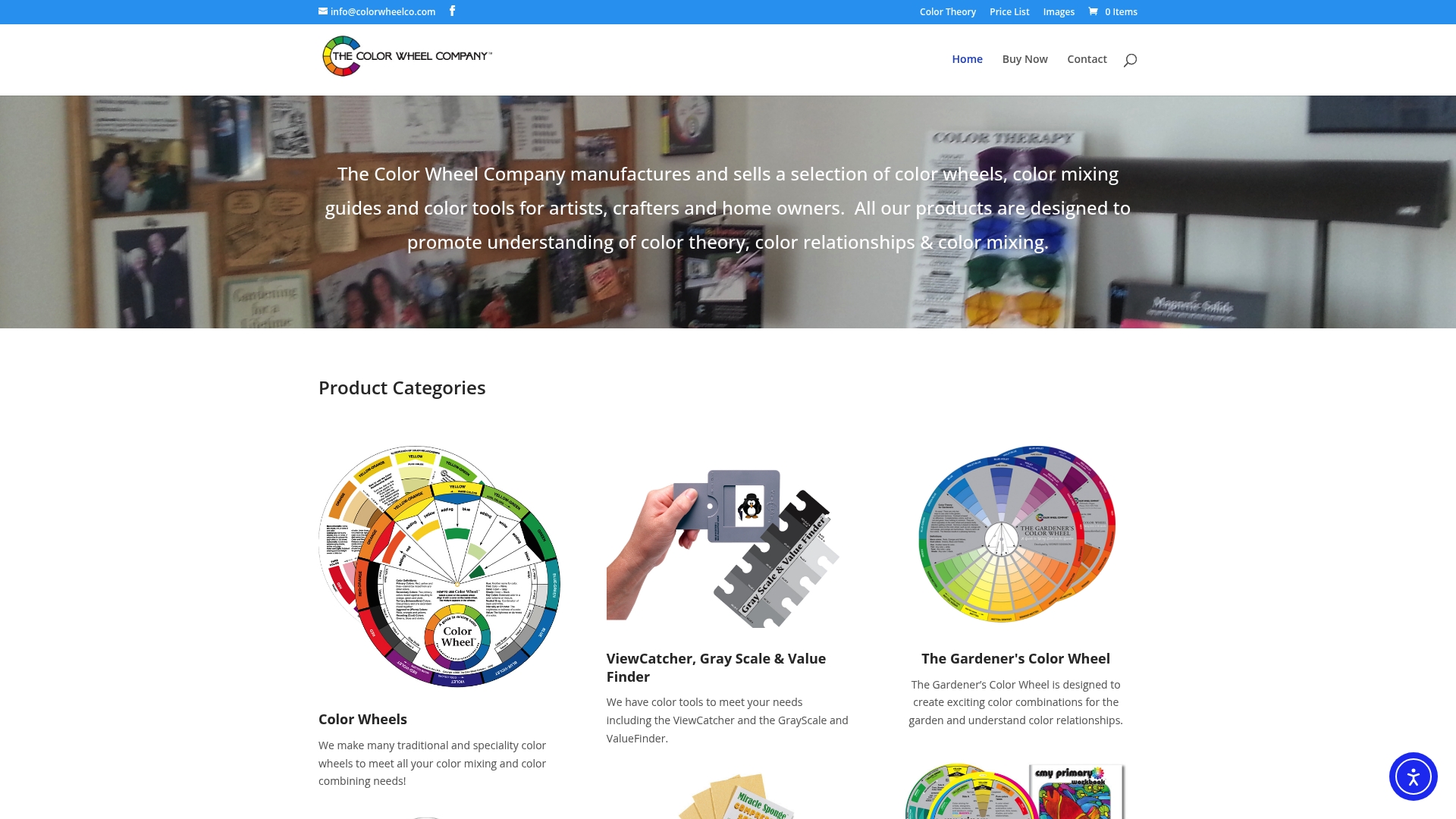
The Color Wheel Company supplies a broad, tactile toolkit for teaching and exploring colour theory, from traditional wheels to niche teaching aids such as a gardener’s colour wheel. Its strengths sit squarely in education and practical studio use, with products designed for beginners through to professionals and proudly made in the USA. However, the provided information leaves gaps: detailed specifications, pricing and online purchasing or shipping details are not specified. In short: excellent pedagogic potential, but you may need to contact the company for logistics before committing.
Core Features
The range includes traditional and specialty colour wheels, teaching wheels tailored for different skill levels, and a suite of mixing aids such as the Viewcatcher, greyscale and Value Finder. The catalogue also lists Miracle Sponges in three sizes to enhance texture studies and practical exercises, plus a Gardener’s Colour Wheel explicitly for planning garden palettes. These tactile tools are designed to translate abstract colour relationships into immediate, visual experiences that are ideal for classroom demonstrations and hands-on projects.
Stop. Consider this.
Pros
- Wide educational breadth: The product line covers both fundamental and specialised needs, allowing you to build progressive lesson plans from simple hue relationships to complex palettes.
- Suitable for many skill levels: Teaching wheels are offered for children as well as professional artists, so you can scale activities across age groups and abilities.
- Made in the USA: Local manufacture suggests consistent quality control and easier access to support for North American educators.
- Innovative, tactile aids: Items such as Miracle Sponges provide unexpected, practical ways to explore texture and application in colour exercises.
- Niche tools for specific contexts: The Gardener’s Colour Wheel adapts colour theory to horticultural design, which is useful for cross-disciplinary projects.
Cons
- Limited product specifications: The available content does not include detailed dimensions, materials or technical specs, making it hard to judge suitability for specific classroom setups.
- No clear online purchasing details: There is no explicit information about buying online or shipping, which complicates procurement for international educators.
- Unclear pricing and regional availability: Pricing is not specified, and availability across regions is not described, so budget planning requires direct enquiry.
Who It’s For
This range is ideal for Art and Design educators, studio tutors, and curriculum developers seeking hands-on tools to demystify colour relationships. It also serves artists, crafters and gardening educators who prefer physical, demonstrative teaching aids rather than purely digital resources. If you run workshops or need durable classroom resources, these products fit well.
Unique Value Proposition
The company’s strength lies in its practical, tactile approach: physical wheels and dedicated tools that turn theory into visible, manipulable examples. The inclusion of specialised items—such as a gardener’s wheel and Miracle Sponges—signals a commitment to cross-disciplinary teaching and inventive studio practice.
Real World Use Case
A school art teacher uses a set of teaching wheels and the Viewcatcher to demonstrate additive and subtractive mixing across age groups, then follows with sponge-based texture exercises to consolidate learning; the gardener’s wheel becomes a project tool in a combined art-and-horticulture module.
Pricing
Not specified in the provided content; you will need to contact the company for current prices and shipping information.
Website: https://colorwheelco.com
NCS Colour
At a Glance
NCS Colour presents a rigorous, industry-grade system for communicating and managing colour that is especially relevant to educators in art and design. Rooted in scientific precision and backed by a legacy since 1945, it combines physical samples, digital tools and teaching resources to bridge theory and practice. Expect depth and reliability — with a learning curve for teams new to standardised systems.
Core Features
NCS Colour provides a universal colour language and an ecosystem of tools that support both digital and physical workflows. Key capabilities include NCS colour codes for consistent identification, physical samples and digital palettes, forecasting and trend insights beyond 2026, and educational resources delivered through a Colour Academy. Platform solutions such as NCS+ enable integration of colour and material workflows, helping studios and manufacturers align specifications from concept to production.
Hands-on learning.
Pros
- Scientifically Grounded: The system is rooted in scientific precision, which helps you teach colour relationships with measurable accuracy.
- Wide Industry Recognition: Global use across design and manufacturing makes it a trustworthy reference you can rely on in curriculum and industry partnerships.
- Comprehensive Portfolio: Physical samples, digital tools and forecasting data mean you can demonstrate colour selection, communication and trend-reading across multiple teaching modules.
- Platform Integration: NCS+ and related platform solutions streamline colour and material workflows, useful for project-based learning that mirrors professional practice.
- Long Heritage: Operating since 1945, the brand’s longevity supports institutional confidence when adopting standards for teaching and assessment.
Cons
- Pricing Not Specified: The available content does not provide explicit pricing, which complicates budget planning for educational programmes.
- Steep Initial Complexity: The breadth of offerings can feel overwhelming to students and staff who are new to standardized colour systems.
- Unspecified Customer Experience: Customer service and support detail is not included in the source material, leaving questions about onboarding help and training availability.
Who It’s For
NCS Colour suits educators, design lecturers and colour specialists who need a robust, industry-recognised reference for teaching colour theory and application. It is particularly valuable for programmes that prepare students for careers in design, coatings, manufacturing or quality control where precise colour communication matters.
Unique Value Proposition
NCS Colour’s unique strength is its combination of a universal colour language with both tangible and digital teaching aids. By pairing accredited colour codes and physical samples with platform tools and forecasting insight, it offers an end-to-end approach to learning and applying colour in real-world production contexts.
Real World Use Case
A manufacturer adopts NCS colour codes to control colour across different materials. In a teaching partnership, students learn to specify NCS codes for prototypes, reducing rework and aligning classroom projects with industrial quality standards — a direct link between education and employability.
Pricing
Not specified in the available content. For procurement and educational licensing, enquire directly with NCS Colour for current options and institutional pricing.
Website: https://ncscolour.com
X-Rite
At a Glance
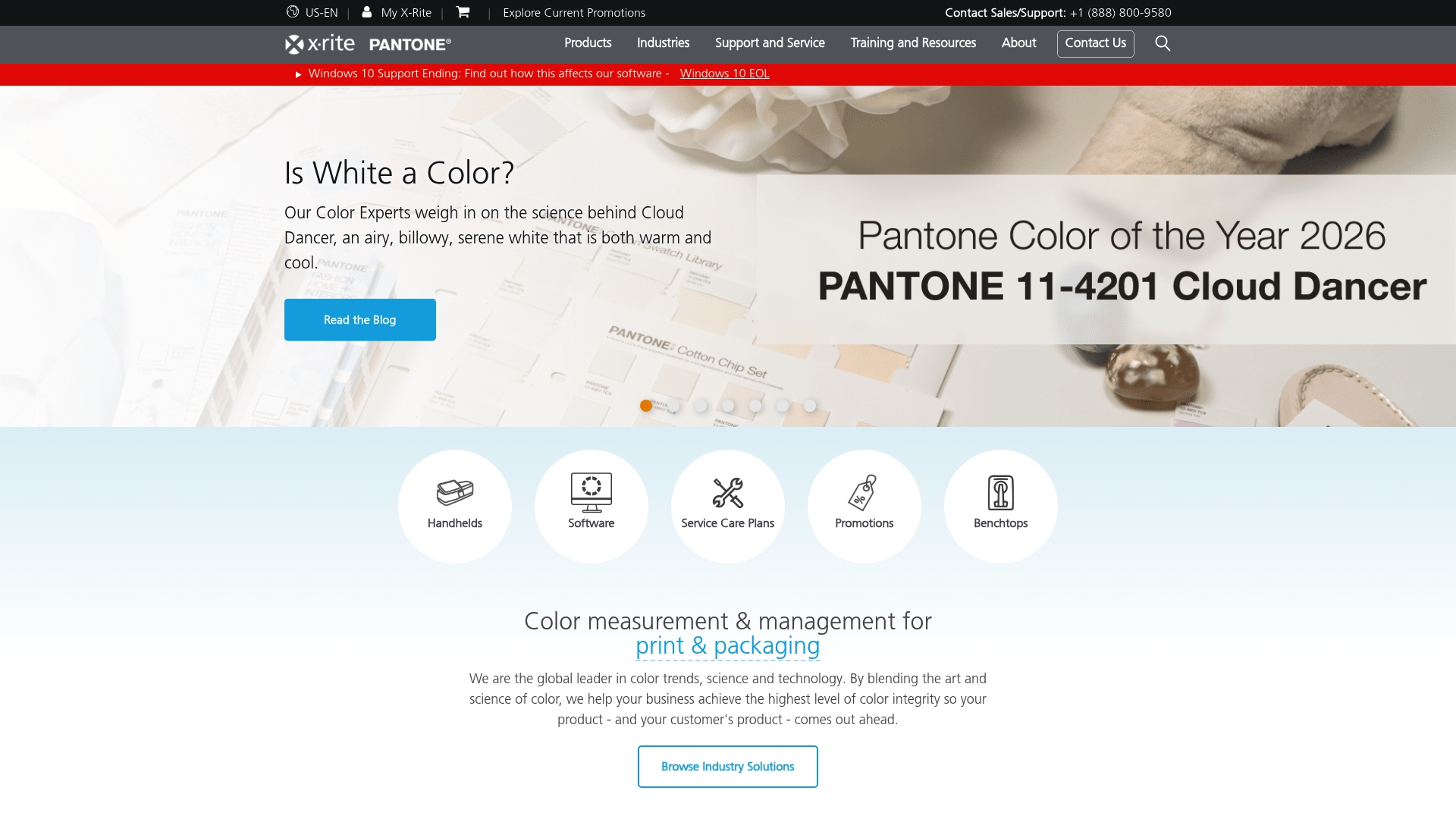
X-Rite is a global leader in colour management and measurement, offering industrial-grade tools and software that prioritise accuracy and consistency. For educators seeking to bridge theory and industry practice, X-Rite provides real-world equipment used across print, textiles, packaging and automotive sectors. It excels at precision, but expect a learning curve and to contact sales for pricing details.
Core Features
X-Rite’s portfolio centres on colour management and measurement solutions, with benchtop and handheld spectrophotometers alongside inline spectrophotometers for real-time measurement. The catalogue also includes colour assessment tools tailored for textiles and other materials, plus industry-specific solutions for print, packaging, plastics and automotive applications. Educational resources such as e-learning courses and technical blogs support users who want to understand the underlying colour science and apply it in practical settings.
Pros
- Comprehensive product range: X-Rite offers tools that span bench, handheld and inline measurement, making it easy to match equipment to classroom labs or industrial demonstrations.
- High precision and reliability: The measurement technology is advanced and geared towards repeatable accuracy, which is essential when teaching standards-based colour evaluation.
- Real-time process control: Inline spectrophotometers enable live monitoring during production, a powerful demonstration for students of how colour control reduces defects and waste.
- Support and training available: Formal support and service plans, plus e-learning resources, mean instructors can access technical help and structured learning materials.
- Industry relevance: Solutions target multiple sectors, so course content can directly mirror professional workflows in printing, textiles and packaging.
Cons
- Technical complexity may intimidate newcomers: Many products require specialist setup and training to use effectively, which can be a barrier in time-pressed curricula.
- Pricing is opaque: The website provides no public pricing, so institutions must contact sales for quotes and budget planning.
- Product selection can be confusing: The breadth of options may make it difficult for educators to identify the most appropriate model without expert guidance.
Who It’s For
X-Rite is best suited to professional educators and institutional labs that teach advanced colour science, vocational training programmes, and university courses linking design to industrial practice. If you run a studio course or technical class where students must learn industry-standard measurement and colour control, X-Rite gear directly demonstrates commercial workflows.
Unique Value Proposition
X-Rite’s unique value lies in marrying rigorous colour science with field-proven instruments and industry-specific workflows. For educators, that means you can teach not only colour theory but also how measurement tools translate theory into consistent, reproducible outcomes in production environments.
Real World Use Case
A commercial printshop integrates X-Rite inline spectrophotometers on press lines to monitor colour in real-time, reducing waste and ensuring colour consistency across long runs. In a teaching context, the same setup can be used to show students how process control prevents drift and maintains brand integrity.
Pricing
Pricing details are not published on the website; institutions must contact sales for quotations and volume pricing discussions.
Website: https://xrite.com
Artsupply
At a Glance
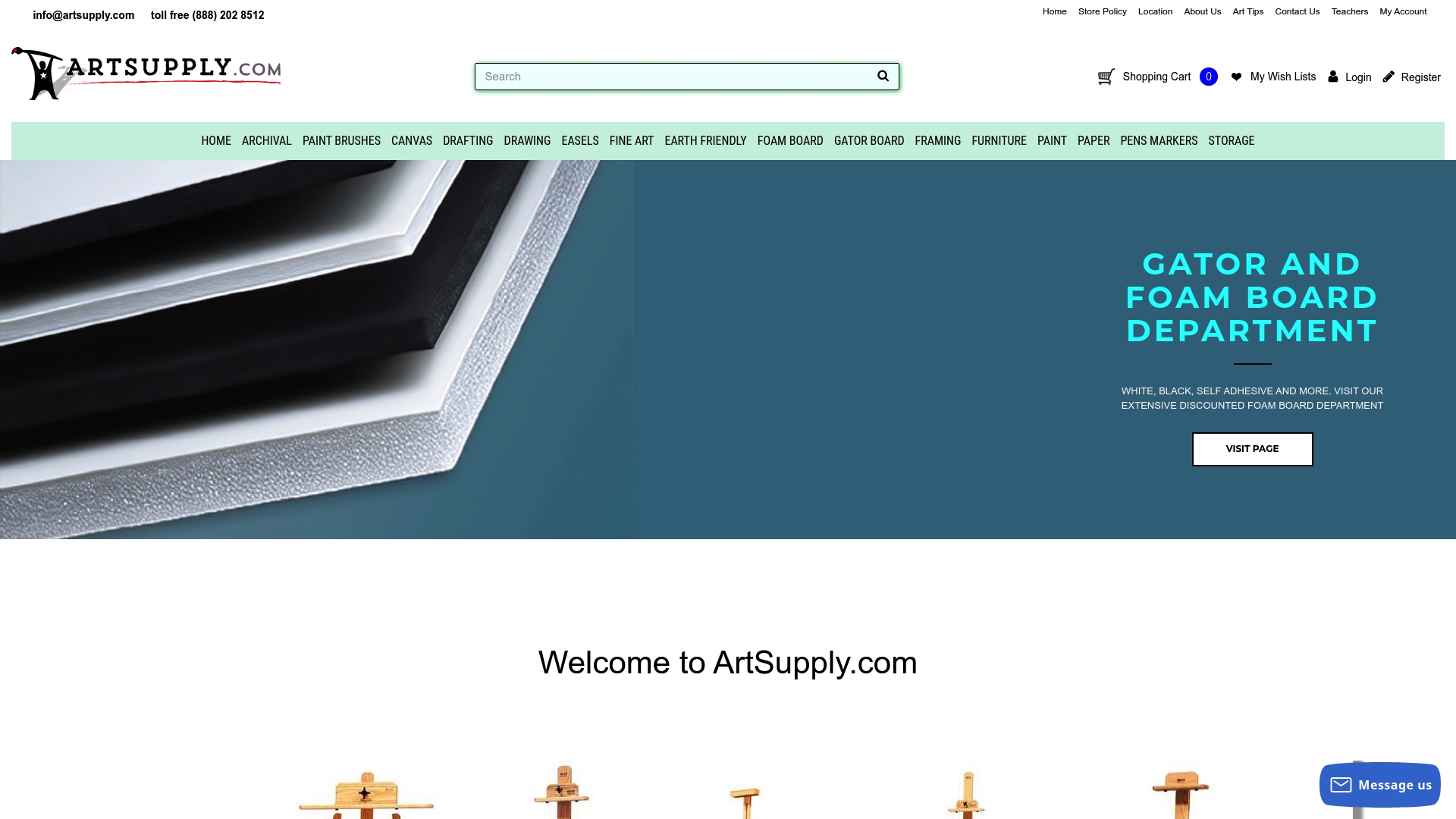
Artsupply is an online supplier offering a broad assortment of art materials — from foam and gator board to stretchers, easel backs and basic art tools. For art and design educators, it presents a pragmatic source for classroom supplies and exhibition preparation, with obvious strengths in variety and discounting. The site’s user-friendly layout, search and wish-list features make repeat ordering straightforward. However, the available information lacks depth on shipping and customer feedback, which matters when organising termly deliveries.
Core Features
Artsupply’s catalogue emphasises breadth and basic e‑commerce convenience: searchable product listings with prices, stock status and customisation options, plus featured and sale sections to highlight discounts. Account functionality (login, register, wish lists) and a shopping cart streamline procurement for individuals and institutions. The site focuses on enabling bulk purchases and cost savings through tiered or super sale pricing, which is useful for classroom budgeting and departmental orders.
Pros
- Comprehensive selection of materials: The catalogue covers diverse substrate and tool needs so educators can source stretchers, boards and consumables from one place.
- Competitive pricing with discounts: Regular sale and super sale pricing helps departments stretch tight budgets and buy in bulk.
- User-friendly layout: Clear navigation and search functionality reduce time spent hunting for specific items during lesson planning.
- Stock availability shown: Visible stock status helps you decide when to order to avoid last‑minute shortages.
- Account and wish-list features: Wish lists simplify termly procurement and allow teachers to collate student supply lists efficiently.
Cons
- Limited product detail: The snippet indicates a lack of in-depth technical descriptions, which can complicate material selection for specialised courses.
- No visible shipping policy or reviews: Absence of clear shipping information and customer feedback makes assessing lead times and product performance difficult for institutional buyers.
- Account required to purchase or save items: Mandatory registration may hinder quick one-off purchases by visiting artists or occasional users.
- Possible stock limitations: While stock status is shown, the data does not detail replenishment schedules, leaving uncertainty for large orders.
Who It’s For
Artsupply suits art teachers, higher education technicians, studio managers and art students who need a reliable, single-source catalogue for everyday and bulk purchases. If you manage classroom resources, coordinate student kits, or run short-run exhibitions, Artsupply’s focus on variety and discounted pricing aligns with your practical needs.
Unique Value Proposition
Artsupply combines a wide-ranging inventory with sale-driven pricing and account tools that make repeat ordering and bulk procurement efficient. Its strength lies in simplifying the operational side of teaching art: fewer suppliers to manage, clearer stock indicators, and built-in wish-list workflows to plan termly orders.
Real World Use Case
A university print studio orders gator board, stretchers and pencils for a final-year exhibition, using the site’s sale pricing and wish-list to compile materials across several modules and schedule delivery before the opening night.
Pricing
Prices vary by product and are presented as list price, discounted price and super sale pricing where applicable, enabling quick cost comparisons during order planning.
Website: https://artsupply.com
Comprehensive Color Tools Comparison
Below is a comparison of various top-notch tools designed to enhance color theory understanding and practical application across diverse fields.
| Tool Name | Unique Features | Pros | Cons | Pricing |
|---|---|---|---|---|
| Kolormondo | 3D spherical color wheel for tactile and visual learning | Enhances understanding of color relationships; tactile engagement; decorative design | Limited to its provided globes | $21.00 (Mini), $111.00 (Pro) |
| NCS Colour | Universal color notation system with digital and physical tools | Globally recognized; accurate color communication; supports industry workflows | Requires learning curve; opaque pricing | Contact for pricing |
| Pantone | Pantone Matching System for industry-consistent color specification | Industry-standard; bridges digital and print workflows; trend forecasting included | Expensive; proprietary limitations | Varies based on product |
| Color Wheel Company | Broad toolkit including traditional wheels and specialized teaching aids | Tactile, innovative tools; diverse educational range; made in the USA | Limited specifications and pricing info | Contact for pricing |
| X-Rite | Industrial-grade precision tools and software for color management | High precision; variety of tool types; supports real-time monitoring | Technical complexity; price not specified | Contact for pricing |
Discover the Future of Colour Education with Kolormondo
Choosing the perfect colour wheel can be a challenge, especially when traditional flat charts fall short in demonstrating the full depth of colour relationships such as hue, saturation and value. This top colour wheels comparison highlights the need for tactile, three-dimensional learning tools that truly engage users and accelerate their understanding of complex colour theory.
Experience the unique advantages of the Kolormondo globe, a 3D colour sphere engineered for tactile exploration and visual clarity. Perfect for educators, designers and students seeking hands-on discovery, it transforms abstract colour concepts into intuitive, spatial experiences. Explore our innovative range in the Color Globe and color sphere - Kolormondo collection today.
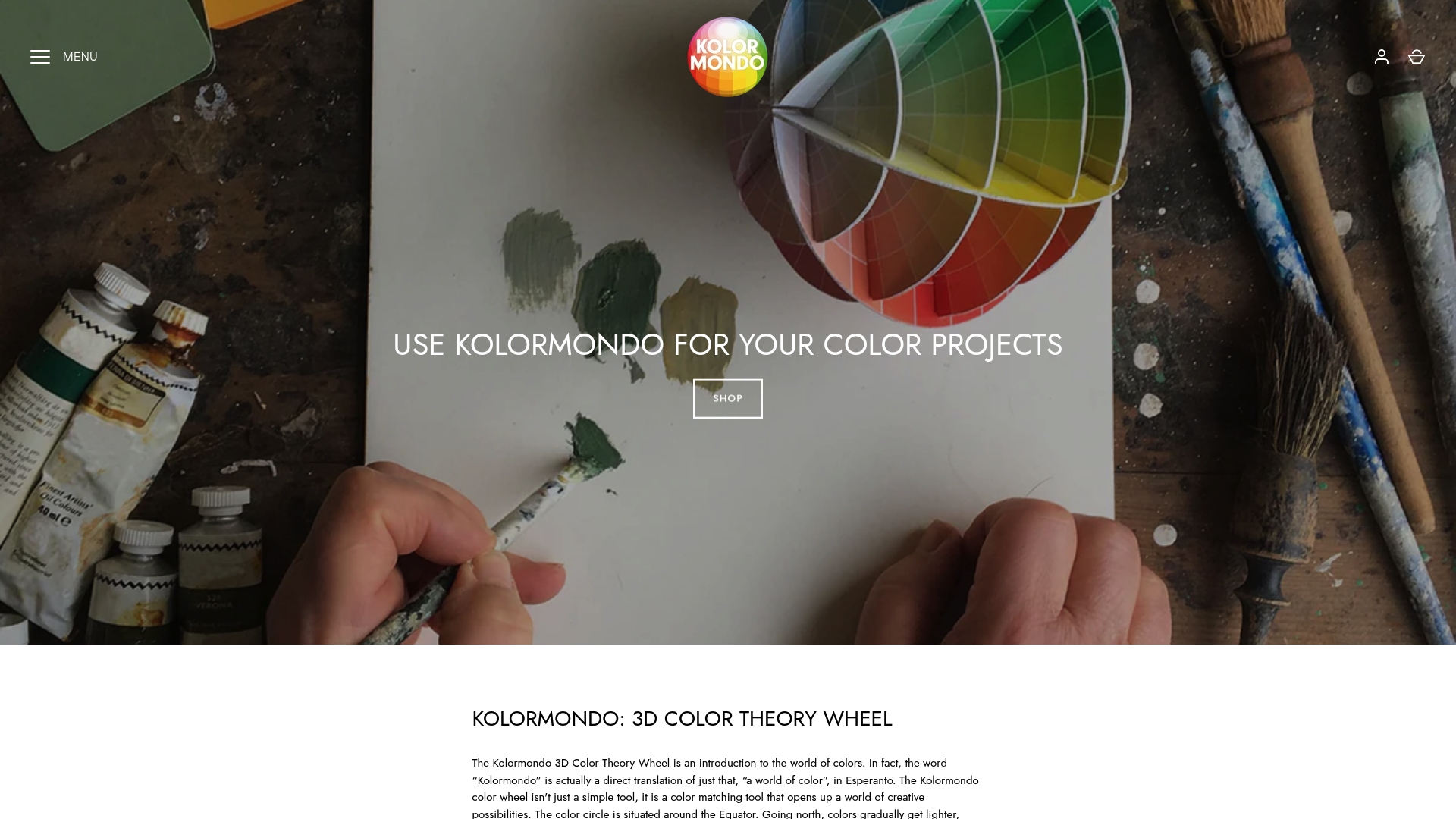
Unlock a new level of colour comprehension with Kolormondo’s award-winning design and practical teaching resources. Whether you want to enrich your classroom or streamline your design process, our Educational material and lesson plans - Kolormondo complement the globe perfectly. Act now to elevate your colour theory lessons and creative projects by visiting Kolormondo.com and take advantage of our Special offers for colour to get started.
Frequently Asked Questions
What are the key features to look for in a colour wheel?
The key features to consider include the representation of hue, saturation, and value, as well as the material quality for durability. Evaluate models that offer both tactile engagement and clear visual references, as this enhances the learning experience.
How can I effectively use a colour wheel in teaching?
To teach effectively with a colour wheel, incorporate hands-on demonstrations that allow students to compare colour combinations and understand relationships. Plan lessons that engage students in practical exercises, such as creating palettes or mixing colours based on the wheel’s guidance.
What should I consider when choosing between different colour wheel products?
Consider factors such as the intended use (educational vs. professional), the format (2D vs. 3D), and the specific features offered, like colour codes or portability. Assess how each option aligns with your teaching style and the needs of your students.
How can colour wheels enhance creative projects in design?
Colour wheels can clarify colour relationships and assist in creating harmonious palettes for various projects in design. Use a colour wheel to experiment with different hues and combinations, which can optimise your design choices and colour matching processes.
Are there specific colour wheels that cater to different artistic disciplines?
Yes, certain colour wheels are tailored for specific artistic disciplines such as fashion design, interior design, or horticulture. Identify models that offer specialised features relevant to your field to enhance the applicability of your colour theory lessons.
How can I integrate colour theory concepts more deeply into my curriculum?
Integrate colour theory by employing colour wheels in hands-on projects, discussions, and practical assignments that encourage experimentation. Develop cross-disciplinary activities that connect colour concepts with other subjects, allowing students to see the real-world applications of colour theory.
Recommended
Find similar articles
top color wheels 2025
