
Most advice about fashion overlooks the powerful role colour plays in shaping how people see themselves and each other. From the runways of Paris to everyday British style, the impact of hues reaches far beyond surface trends. Colour choices define moods, signal identity, and reveal subtle cultural stories. With over 80 percent of consumers saying colour is their top reason for choosing clothing, understanding colour’s influence offers new ways to express personal and collective style.
Table of Contents
- Defining Colour’s Influence in Fashion
- Categories of Colour Schemes in Clothing
- Psychological Impact of Fashion Colours
- Historical and Cultural Evolution of Colour Use
- Kolormondo 3D Globe for Fashion Innovation
Key Takeaways
| Point | Details |
|---|---|
| Colour Influences Identity | Colour serves as a powerful tool in fashion that shapes perception and expresses personal identity, carrying emotional and cultural meanings. |
| Strategic Colour Schemes | Designers utilise various colour schemes, such as monochromatic and complementary, to create emotionally compelling clothing collections. |
| Psychological Impact | Different colours evoke distinct psychological responses and can greatly influence social perceptions and individual confidence. |
| Evolution of Colour in Fashion | The historical journey of colour in fashion reflects societal changes, evolving from markers of social status to dynamic expressions of creativity and cultural dialogue. |
Defining Colour’s Influence in Fashion
Colour represents far more than mere aesthetic preference in fashion. It serves as a powerful communicative tool that shapes perception, evokes emotional responses, and reveals complex cultural narratives about personal identity. Within the intricate world of style, colour psychology plays a profound role in how individuals express themselves and how they are perceived by others.
Understanding the nuanced language of colour reveals how different hues communicate distinct messages and emotional states. Designers strategically select colours to signal sophistication, rebellion, confidence, or vulnerability. A deep burgundy might suggest maturity and power, while a soft pastel pink could communicate vulnerability or gentleness. These chromatic choices are never random but carefully considered expressions of personal narrative and social signalling.
Furthermore, colour trends in fashion are dynamic reflections of broader societal shifts. They capture collective psychological states, economic conditions, and cultural movements. Colour trends emerge from complex interactions between social psychology, design innovation, and global aesthetic currents. A particular shade might represent technological optimism, environmental consciousness, or a reaction against previous design paradigms. By studying these colour narratives, we gain insights into how fashion serves as a visual language that communicates far beyond simple clothing choices.
The interaction between colour and personal style is deeply intimate and transformative. Every individual brings their unique psychological landscape to their colour selections, creating a personal visual vocabulary that communicates identity, mood, and aspiration. Colour becomes more than decoration—it is a nuanced form of self-expression, a silent yet powerful dialogue between the wearer and the world.
Categories of Colour Schemes in Clothing
Colour schemes represent strategic approaches designers employ to create visually harmonious and emotionally compelling clothing collections. These schemes are not merely aesthetic choices but sophisticated visual languages that communicate complex emotional and stylistic narratives. Colour theory principles underpin these systematic approaches to colour coordination in fashion design.
The primary categories of colour schemes include monochromatic, analogous, complementary, and triadic arrangements. A monochromatic scheme utilises variations of a single colour, creating depth through different tones, shades, and saturations. For instance, a blue ensemble might incorporate navy, royal blue, and pale sky blue, generating visual interest while maintaining cohesive elegance. Analogous schemes blend colours adjacent on the colour wheel, such as green, blue-green, and yellow-green, producing soft, harmonious transitions that feel naturally integrated.
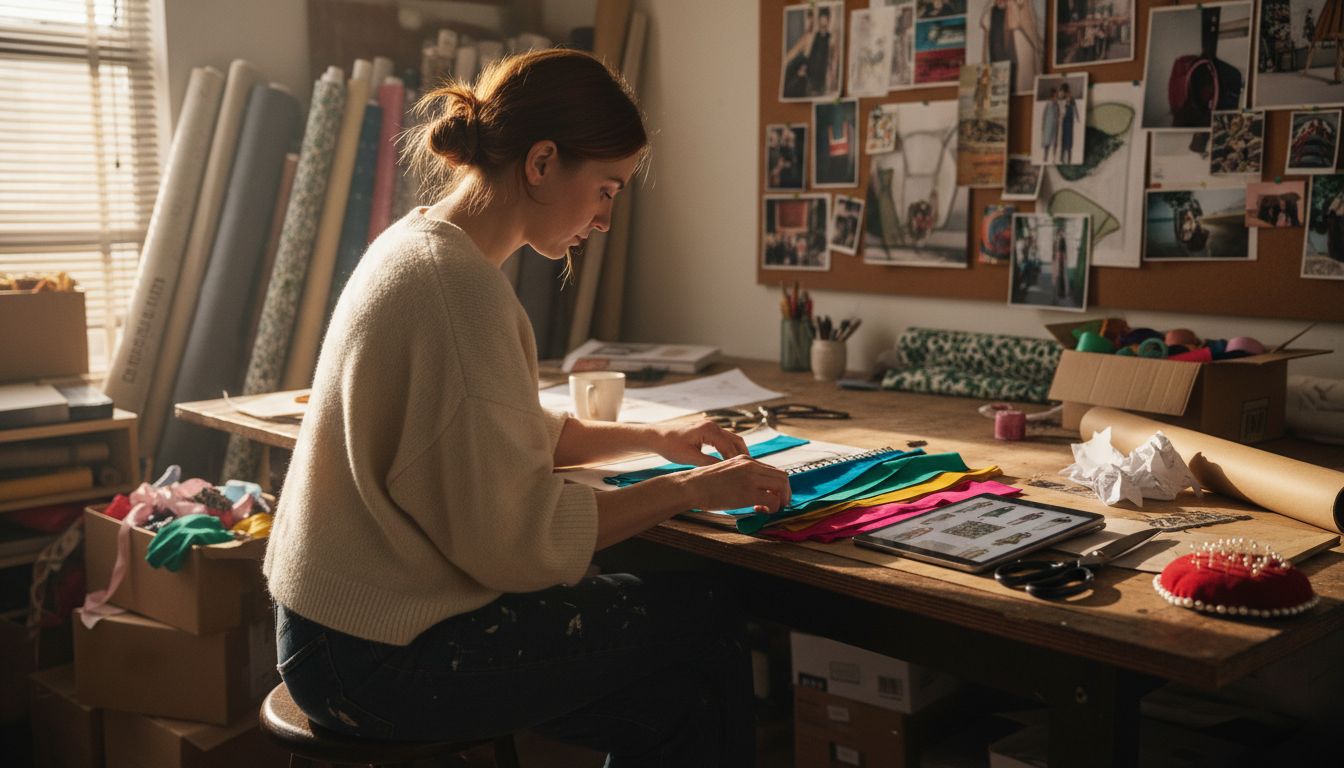
Complementary and triadic colour schemes offer more dramatic visual statements. Complementary schemes juxtapose colours directly opposite on the colour wheel—like purple and yellow or red and green—creating high-contrast, energetic compositions. Triadic schemes involve three colours equidistant on the colour wheel, offering balanced yet vibrant aesthetic experiences. These strategic colour combinations allow designers to craft clothing that communicates specific emotional states, cultural references, and personal narratives.
Understanding these colour scheme categories enables fashion professionals and enthusiasts to make deliberate, meaningful aesthetic choices. Each scheme represents a nuanced approach to visual communication, transforming clothing from mere fabric coverings into sophisticated expressions of creativity, emotion, and personal identity.
Psychological Impact of Fashion Colours
The profound psychological dimensions of colour in fashion extend far beyond mere visual aesthetics, representing a complex language of emotional communication and personal expression. Personal colour analysis reveals how specific hues can dramatically influence psychological states, social perceptions, and individual confidence levels through strategic chromatic choices.
Different colours trigger distinctive psychological responses that shape human interaction and emotional landscapes. Red, for instance, symbolises power, passion, and assertiveness, often associated with increased heart rate and heightened emotional intensity. Blue communicates tranquillity, professionalism, and trustworthiness, making it a popular choice in corporate and formal fashion contexts. Yellow radiates optimism and energy, while black represents sophistication, mystery, and timeless elegance—each hue carrying nuanced psychological implications that transcend mere visual appearance.
The emotional resonance of colour extends into complex cultural and personal narratives. Individuals unconsciously select colours that reflect their inner emotional states, psychological needs, and desired social projections. A vibrant emerald green might communicate growth and renewal, whereas muted grey tones could signal introspection and emotional restraint. These chromatic choices become powerful non-verbal communication tools, allowing wearers to express complex emotional landscapes without uttering a single word.
Ultimately, fashion colours function as sophisticated psychological instruments, transforming clothing from mere fabric coverings into intricate expressions of individual and collective emotional experiences. By understanding these subtle psychological mechanisms, fashion enthusiasts and designers can craft more meaningful, emotionally intelligent sartorial narratives that resonate deeply with human sensory and emotional experiences.
Historical and Cultural Evolution of Colour Use
The journey of colour in fashion represents a complex tapestry of cultural, social, and technological transformations, reflecting humanity’s evolving aesthetic and psychological landscapes. Fascinating colour histories reveal how chromatic preferences have been intrinsically linked to power, social status, and cultural identity throughout different historical periods.
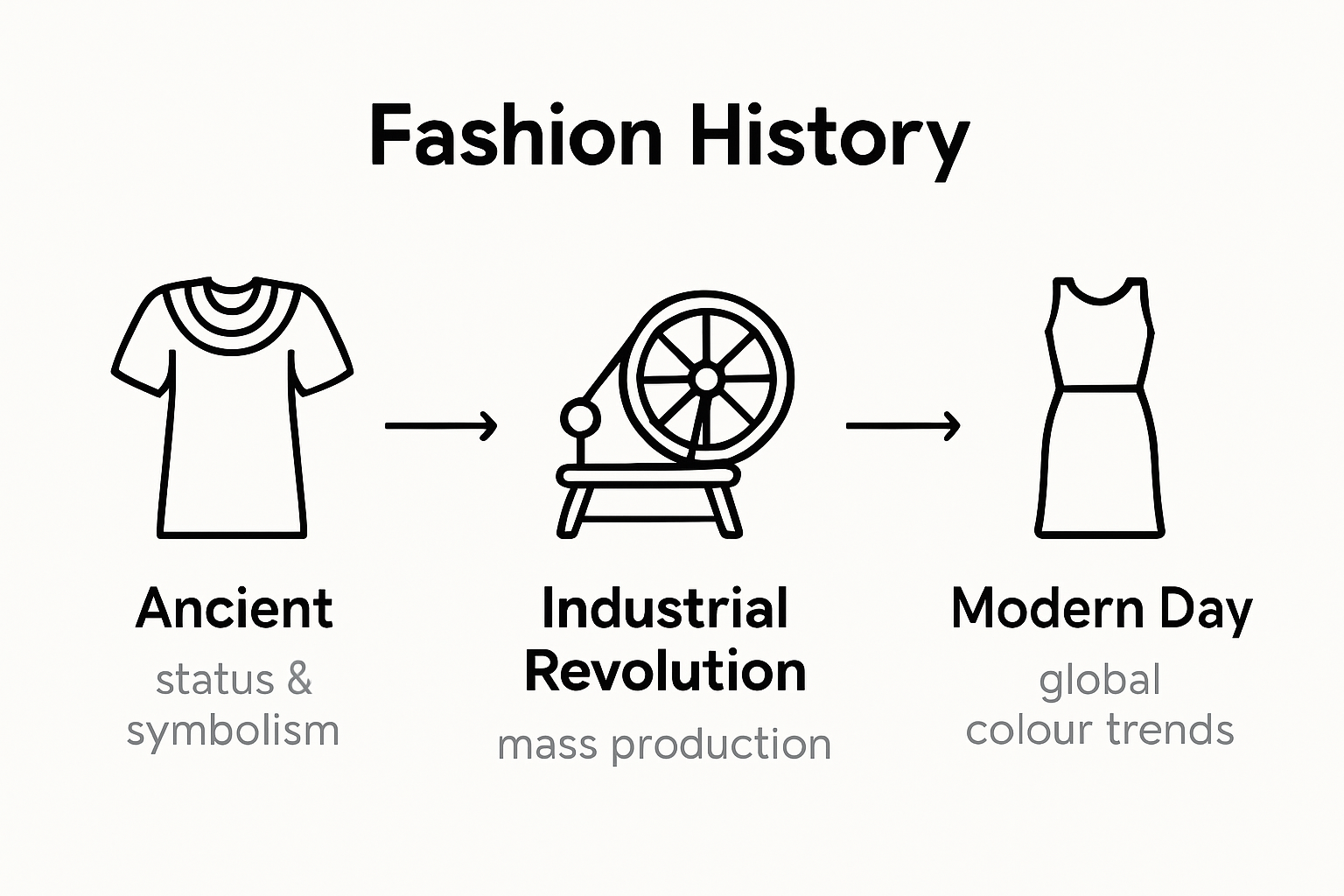
In ancient civilisations, colour was not merely decorative but a profound marker of social hierarchy and cultural significance. Royal purple, derived from expensive mollusk extracts, signified wealth and imperial power in Mediterranean societies. Medieval European courts used specific colour codes to denote nobility, with sumptuary laws regulating clothing colours based on social rank. The Renaissance period witnessed a dramatic expansion of colour palettes, as global trade routes introduced exotic pigments and dyes, transforming fashion into a vibrant expression of cultural exchange and artistic innovation.
The industrial revolution marked a pivotal moment in colour evolution, democratising fashion through mechanised textile production and synthetic dye technologies. Suddenly, vibrant colours became accessible to broader social classes, breaking traditional chromatic hierarchies. The 20th century saw unprecedented colour experimentation, with movements like Art Deco, Bauhaus, and Pop Art dramatically reshaping colour perception in fashion. Each decade brought distinctive colour narratives—the muted earth tones of the 1940s, the psychedelic hues of the 1960s, and the bold neon statements of the 1980s—reflecting broader social and cultural transformations.
Contemporary fashion has entered a remarkable era of global colour dialogue, where digital technologies and cross-cultural exchanges create unprecedented chromatic possibilities. Virtual fashion platforms and global design networks continue to challenge traditional colour boundaries, making fashion an ever-evolving, dynamic expression of human creativity and cultural interconnectedness.
Kolormondo 3D Globe for Fashion Innovation
The Kolormondo 3D Colour Globe represents a revolutionary approach to understanding colour relationships, offering fashion professionals and designers an innovative visual tool for exploring chromatic interactions and design possibilities. Visualising colour in three-dimensional space transforms traditional colour theory from a flat, two-dimensional concept into an immersive, tactile learning experience.
For fashion designers and colour specialists, the three-dimensional representation provides unprecedented insights into colour harmony, relationship, and interaction. Unlike traditional colour wheels, the Kolormondo globe allows users to comprehend how colours blend, contrast, and communicate across multiple perspectives. This spatial understanding enables more nuanced colour selection, helping designers create more sophisticated and emotionally resonant colour palettes that transcend conventional design limitations.
The globe’s unique design facilitates complex colour comprehension through tactile and visual exploration. Designers can physically rotate the sphere, observing how colours interact from different angles, revealing subtle chromatic relationships that might remain hidden in traditional flat representations. This approach is particularly valuable in fashion, where colour combinations can dramatically alter garment perception, mood, and aesthetic impact. Choosing between professional and mini globe variants allows professionals and enthusiasts to select the most appropriate tool for their specific design needs.
Ultimately, the Kolormondo 3D Colour Globe represents more than a design tool—it is a bridge between scientific colour theory and creative artistic expression. By providing a tangible, interactive method of understanding colour relationships, it empowers designers to make more informed, intuitive, and emotionally intelligent colour choices across fashion, art, and design disciplines.
Unlock the Power of Colour in Fashion with Kolormondo
Understanding how colour shapes style and perception requires more than traditional colour wheels. The challenge lies in mastering the complex emotional and psychological impact of hues while creating harmonious colour schemes that truly reflect identity and innovation. Concepts like colour psychology and the dynamic relationships between colours call for immersive tools that deepen your awareness and design precision.
Kolormondo’s unique 3D Colour Globe provides a tactile and visual experience that transforms colour theory into an engaging, hands-on exploration. This tool empowers fashion designers, educators, and enthusiasts to break free from flat charts and discover sophisticated colour interactions in three dimensions. With options suited for professionals and hobbyists alike, it offers a chance to elevate your colour choices to emotionally resonant and culturally informed fashion statements. Explore how this innovative globe unlocks new perspectives on colour via Colour Globe and color sphere - Kolormondo or deepen your knowledge through Lectures and Workshops about color - Kolormondo.
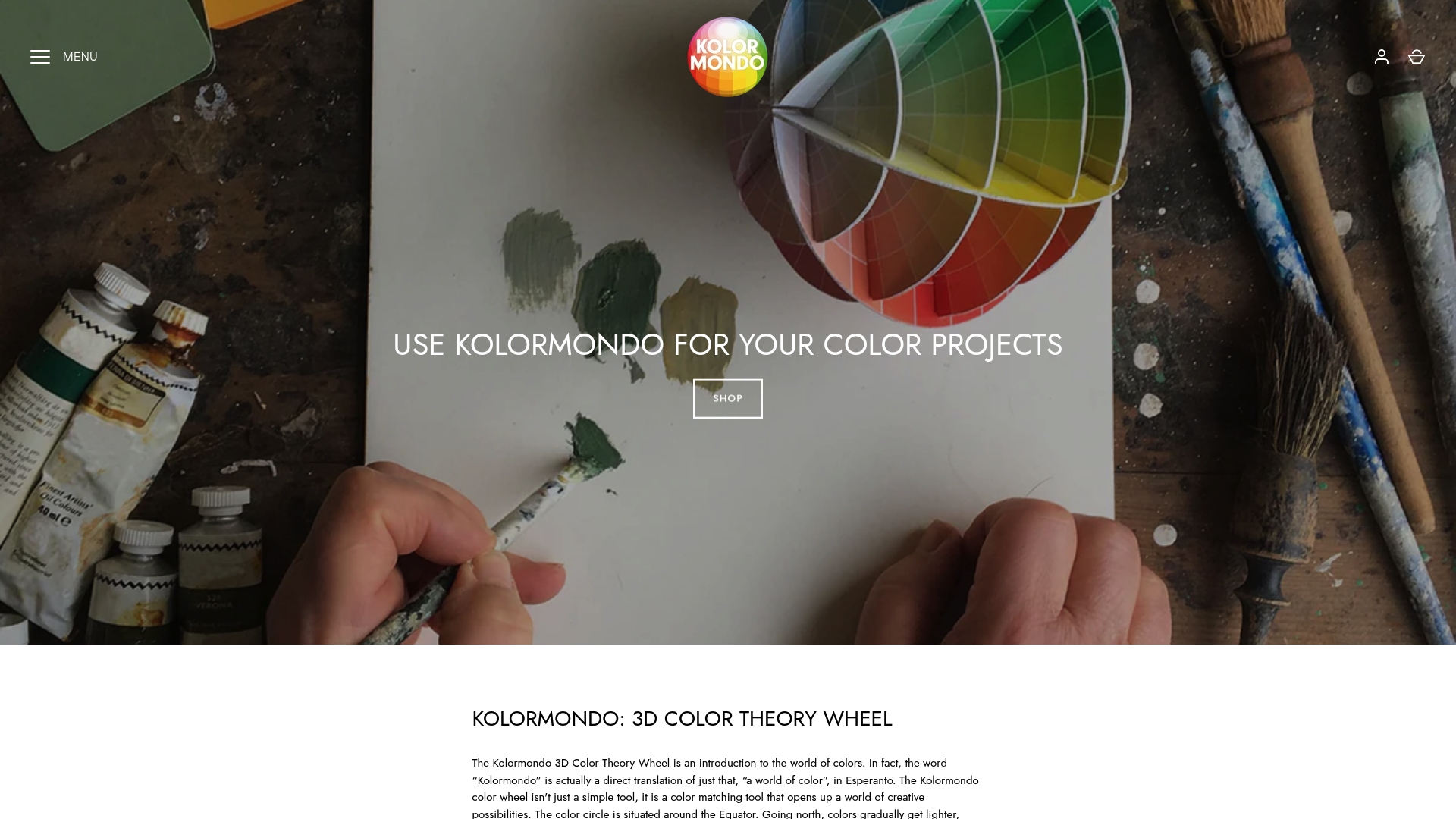
Ready to transform your understanding of colour and make your fashion designs speak volumes? Visit Kolormondo.com now to discover your perfect 3D Colour Globe and join a community redefining style through science and art. Act today to harness colour’s full potential as a tool for self-expression and cultural storytelling.
Frequently Asked Questions
What is the significance of colour in fashion?
Colour plays a crucial role in fashion as it serves as a powerful communicative tool that shapes perception, evokes emotional responses, and expresses personal identity. Designers strategically select colours to convey messages about sophistication, confidence, and creativity.
How do colour schemes impact clothing design?
Colour schemes, such as monochromatic, analogous, complementary, and triadic arrangements, create visually harmonious and emotionally compelling collections. These schemes enable designers to communicate specific emotional states and narratives through colour coordination.
What psychological effects do different colours have in fashion?
Different colours trigger unique psychological responses. For example, red symbolizes power and passion, while blue communicates tranquillity and trustworthiness. Understanding these effects allows individuals to select colours that not only reflect their mood but also influence how they are perceived by others.
How has the use of colour in fashion evolved over time?
The use of colour in fashion has historically reflected societal changes, power dynamics, and cultural identities. From ancient civilisations, where colour symbolised social status, to contemporary fashion’s embrace of global colour dialogues, colour has consistently transformed alongside technological and cultural advancements.
Recommended
Find similar articles
role of color in fashion
