

Artists and designers know that mastering colour theory takes more than a good eye. Studies show that colour can shape mood, behaviour, and even memory, making its influence far-reaching in both art and everyday life. Whether you work with paint or pixels, understanding the science and psychology behind chromatic interactions helps bring intention to every creative choice.
Table of Contents
Colour Theory and Its Foundations
Colour theory represents a complex, interdisciplinary framework for understanding how colours interact, communicate, and influence human perception. At its core, colour theory explores the intricate relationships between visual elements across philosophical, scientific, and artistic domains, providing a systematic approach to comprehending chromatic interactions.
The foundations of colour theory extend far beyond simple aesthetic considerations. Researchers have demonstrated that colours possess profound biological and cultural significance, impacting our psychological responses, environmental interactions, and communication strategies. Colour perception emerges as a multisensory experience, involving complex neurological processes that translate wavelengths of light into meaningful visual information. Biological mechanisms fundamentally shape how humans interpret chromatic stimuli, connecting our visual system with deeper cognitive and emotional responses.
Understanding Colour Relationships and Harmony
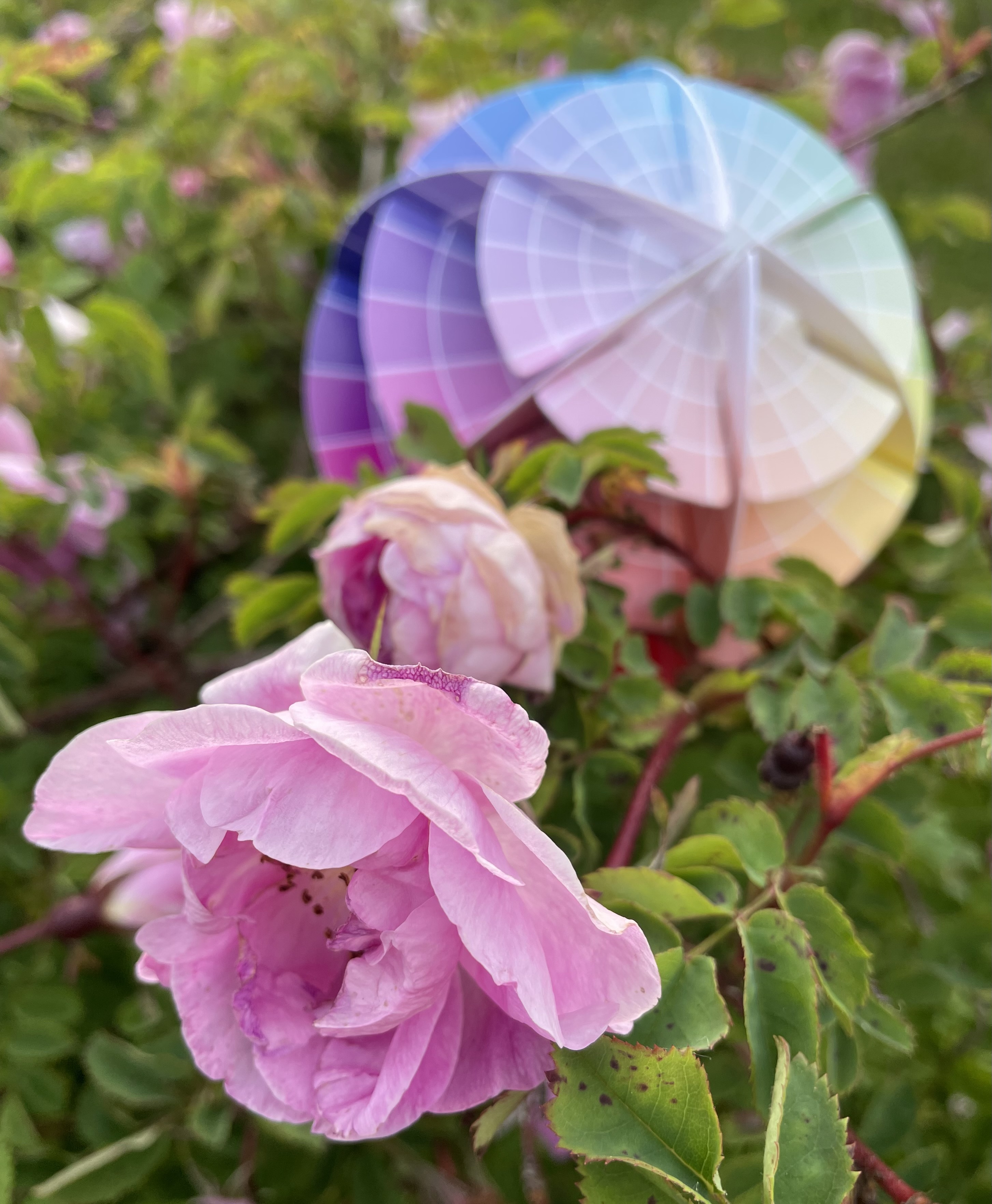
Colour harmony emerges as a fundamental principle that guides artists and designers in creating visually compelling compositions. The colour wheel serves as a critical tool for understanding these intricate relationships, revealing how different hues interact and complement one another through systematic arrangements and strategic combinations.
Colour relationships can be categorised into several key types that artists leverage to create visual balance and emotional resonance. Additive and subtractive colour models provide essential frameworks for understanding how colours mix and interact, revealing the complex mechanisms underlying chromatic harmony. These relationships include:
-
Complementary colours: Positioned directly opposite on the colour wheel, creating maximum contrast
-
Analogous colours: Adjacent hues that create smooth, harmonious transitions
-
Triadic colours: Three colours equally spaced on the colour wheel, offering balanced visual interest
-
Monochromatic schemes: Variations of a single colour using different tints, tones, and shades
Professional painters and designers strategically employ these relationship principles to create depth, emotion, and visual dynamism. The role of colour in architectural design demonstrates how these principles extend beyond traditional artistic boundaries, transforming spaces through thoughtful chromatic interactions that engage and inspire viewers.
Practical Use of Colour Theory in Painting
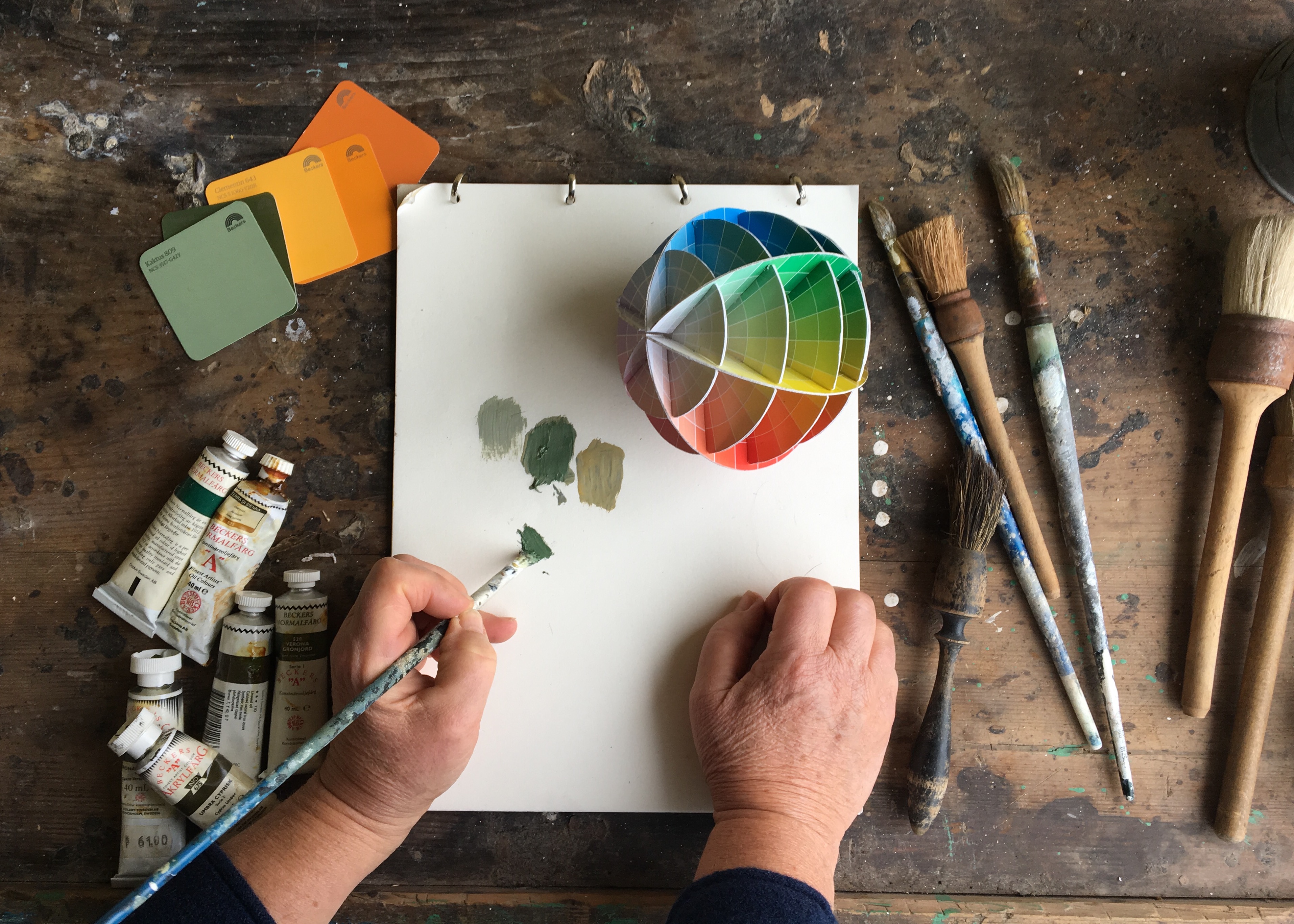
Practical colour theory transforms artistic expression by providing painters with a systematic approach to creating visually compelling compositions. Artists leverage chromatic principles to communicate emotion, create depth, and guide the viewer’s visual journey through strategic colour selection and application.
Colour mixing techniques represent a critical aspect of practical colour theory application. Understanding how colours interact and blend enables artists to create nuanced emotional landscapes beyond simple representational painting. Painters employ several sophisticated approaches to colour manipulation:
Common Mistakes and Misconceptions in Colour Use
Artists frequently encounter fundamental misconceptions about colour theory that can significantly undermine their artistic potential. These misunderstandings often stem from oversimplified assumptions about colour mixing, perception, and interaction, leading to compositions that lack depth, harmony, and emotional resonance.
Colour mixing errors represent a critical area where artists commonly stumble. Many painters misunderstand the fundamental principles of primary and secondary colour interactions, resulting in muddy, unsatisfactory colour outcomes. Common misconceptions include:
Professional artists recognise that understanding colour complexity goes beyond simplistic rules, requiring nuanced perception and continuous experimentation. True mastery emerges from embracing the unpredictable, dynamic nature of chromatic interactions, transforming potential mistakes into opportunities for creative discovery.
Discover How the Kolormondo Globe Can Transform Your Understanding of Colour Theory in Painting
Mastering colour theory in painting involves grappling with complex challenges such as understanding colour relationships, harmony, and the psychological impact of hues on the viewer. This article highlights essential concepts like colour harmony, complementary colours, and the emotional communication embedded in chromatic compositions. For artists striving to deepen their practical application of these principles, the right tool can make all the difference. The Kolormondo globe offers an innovative, tactile 3D colour wheel that brings these intricate relationships to life, helping you visualise and experiment beyond traditional flat charts.
Elevate your painting process by exploring the Kolormondo Colour Globe collection and unlock new levels of creative control. Whether you are an educator, student, or professional artist, our Lesson Plans provide tailored resources to support your journey. Don’t miss the opportunity to engage with colour theory in a whole new dimension. Visit Kolormondo.com today and take the next step towards transforming your artistic expression.
Frequently Asked Questions
What is colour theory in painting?
Colour theory in painting is a systematic framework that helps artists understand how colours interact, communicate, and evoke emotional responses, guiding them in creating visually compelling compositions.
What are common colour mixing techniques used in painting?
Common colour mixing techniques include optical blending, where pure colours are placed next to each other; glazing, which involves applying transparent layers; and tonal gradation, where artists transition between different colour values to achieve depth and movement.
How can misunderstandings about colour theory impact artistic work?
Misunderstandings about colour theory, such as misconceptions around mixing primary and secondary colours, can lead to muddy results in artwork. Artists must acknowledge the complexities of colour interactions to create harmonious and emotionally resonant compositions.
Recommended
Find similar articles
role of color theory in painting
